Planning Director Mike Fox shares his thoughts on the outcomes of COP26.
Many people will have been observing with interest the news emerging from COP26 in Glasgow a few weeks ago. The resulting Glasgow Climate Pact represents the culmination of years of planning and two weeks of intense negotiations between representatives of nearly 200 countries. The mixed messages emerging were at times confusing, but some key announcements made the headlines.
Before we consider the key outcomes and what they mean for those of us in the built environment sector, let’s look more closely at the pact and its goals.
Key elements of the agreement
Goal 1: Securing global net zero and climate mitigation
Achieving the 1.5-degree target remains ‘in reach’ but with a ‘weak pulse’, according to Alok Sharma, the President of COP26.
There were some notable agreements on carbon and climate mitigation:
- Leaders of 120 countries, representing about 90% of the world’s forests, made a commitment to halt and reverse deforestation by 2030.
- Led by the US and EU, more than 100 countries pledged to cut methane by 2030.
- More than 40 countries, including major coal users such as Poland, Vietnam and Chile, agreed to shift away from coal.
- More than 100 governments, cities, states and major car manufacturers signed an agreement to end the sale of internal combustion engines by 2035 in leading markets, and by 2040 worldwide.

However, many nations, organisations and commentators have been disheartened by the outcome. A report by the Climate Action Tracker concluded that the outcome of countries’ Nationally Determined Contributions (NDCs) would be insufficient to limit warming to less than 2 degrees, which could still have disastrous consequences for many countries. Particular criticism was focused on India and China for the watering down of the ambition from ‘phasing out’ to ‘phasing down’ coal, a fuel source favoured by poorer nations. However, there was also limited focus on phasing out oil and gas, which is favoured by richer nations.
Goal 2: Climate adaptation
Adaptation was given particular emphasis, with parties seeking to agree a global goal on adaptation, designed to identify collective needs and solutions. The Santiago Network, which is designed to mobilise support to avert, minimise and address loss and damage in developing countries, was strengthened. Measures were also approved that would culminate in a ‘global stocktake’ to assess the world’s collective progress every five years.
Goal 3: Mobilising finance
The need to significantly increase support for developing countries beyond $100 bn a year to 2025 was agreed, albeit this is five years later than the original target. Nearly 500 global financial services firms also agreed to align $130 trillion, which equates to 40% of the world’s assets, behind the aims of COP26. More than 30 countries and institutions also committed to halt international finance for fossil fuels.
However, developed countries drew significant criticism from developing nations for failing to meet the 2020 $100 billion funding target. They were also criticised for failing to agree a separate fund to ‘compensate them for loss and damage’, given that rich countries are responsible for most of the CO2 in the atmosphere to-date.
Goal 4: Working together
The so-called ‘Paris Rulebook’ was finally agreed, which sets a single transparency standard for how countries report on emissions reductions. Discussions were also concluded on international emissions trading (carbon markets), which allows countries that reduce their emissions beyond their targets to sell carbon credits to other countries to help them meet their own climate goals more affordably.
Other positives included China and the US issuing a joint declaration stating they had agreed to take steps on a range of issues, including methane emissions, transition to clean energy and decarbonisation.
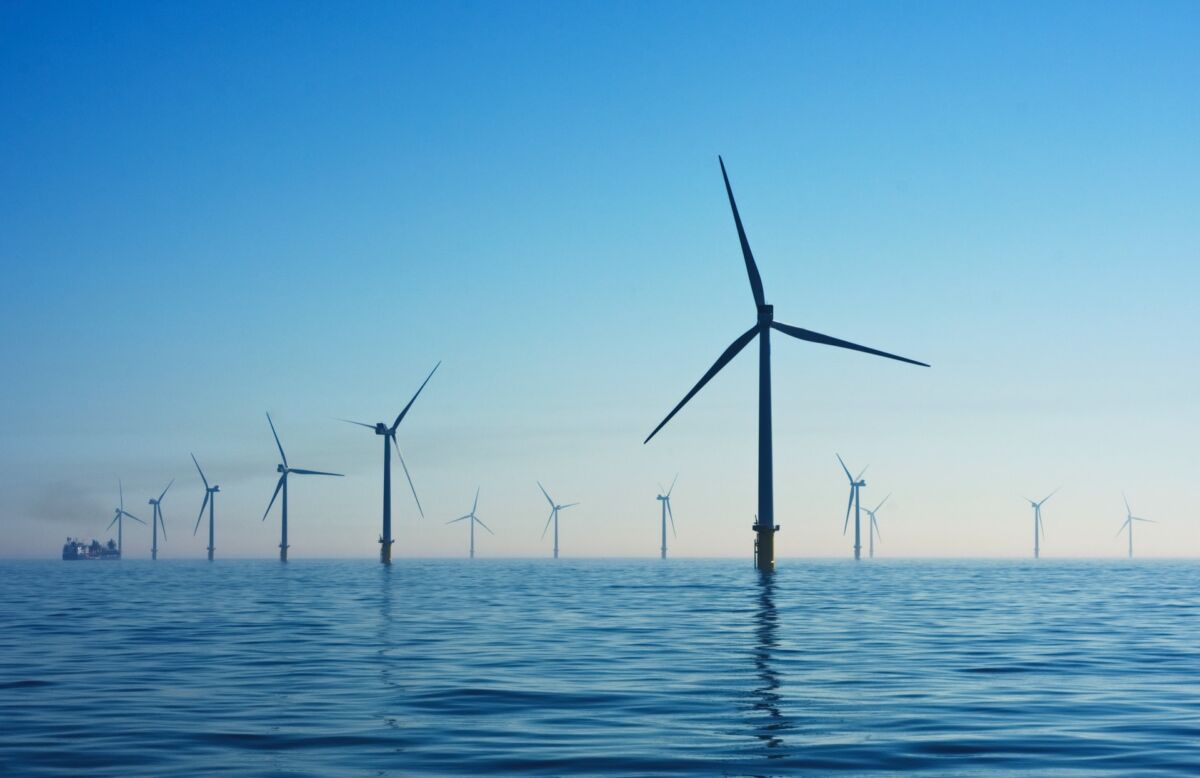
Meanwhile, amongst other smaller commitments, was one by the Beyond Oil and Gas Alliance of 11 countries, aiming to set an end date for oil and gas exploration.
Overall, the prevailing feeling is that the overriding targets – notably 1.5 degrees – remains a possibility, albeit a remote one at present. Progress between now and COP27 will be vital for the future.
COP26 and the built environment sector
Internationally, there will need to be a proliferation of aid and impact investment into projects supporting developing countries’ efforts to mitigate and adapt to climate change. Most cities in the low-middle income countries have little capacity to manage urban development, which leads to the uncoordinated growth of urban areas, urban sprawl, a proliferation of informal housing, car-oriented development, development in areas vulnerable to natural disasters, the loss of natural adaptation features (such as flood plains, trees etc.), and inefficient and climate-vulnerable infrastructure.
Therefore, there will have to be significant investment in the urban planning capacity of local and regulatory authorities and communities to prepare urban strategies that reflect best practice in smart, resilient and adaptable growth. This will need to be backed up by coordinated investment into climate resilient infrastructure, clean energy and socio-economic development programmes, to make sustainable growth a reality.
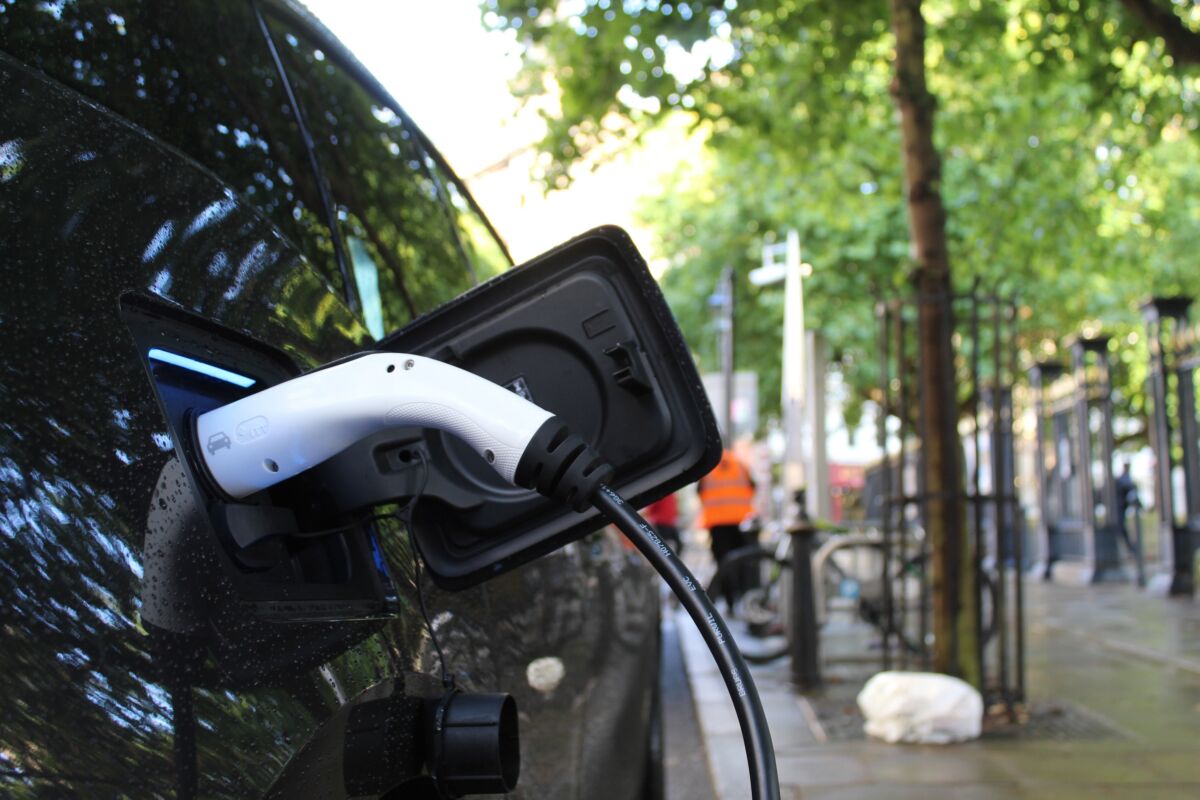
In the UK, the scaling up of investment in infrastructure for electric vehicles will undoubtedly catch the headlines. Indeed – only last week the Government announced that all new homes and buildings are to have electric vehicle chargers by law from next year. Fundamentally, however, more needs to be done to reduce the use of cars in the first place through increasing the efficiency of land use in urban areas (yes, that does mean density), investment in active travel (walking and cycling) and public transport infrastructure and strengthening climate change adaptation measures, such as sustainable drainage systems and tree planting. This goes hand in hand with re-wilding and biodiversity enhancements, given a welcome albeit weak push through the Environment Bill two weeks ago.
At the building level, the re-use and re-purposing of existing buildings will also be fundamental, given that between a third to half of a building’s whole life-carbon is used in its construction (source RICS, 2018). Low-carbon building materials need to become the norm. Investment in energy efficiency, energy networks and renewable supply needs to be scaled up exponentially. More comprehensive approaches to waste management and power generation (such as in Skelleftea in Sweden) will need to become commonplace, providing the foundation for the wholesale re-use and recycling of the materials we all use on a daily basis.
The UK Green Building Council’s Whole Life Carbon Roadmap for the Built Environment, launched earlier this month, is particularly pertinent. This includes a carbon footprint for the UK built environment, a Net Zero Carbon trajectory to 2050, and policy recommendations with industry action plans to deliver the 2050 scenario. Amongst a raft of other measures, recommendations include:
- A National Retrofit Strategy by 2022, setting out a clear national homes upgrade programme to 2040.
- Adopting the Future Homes/ Building Standard by 2025 to include low carbon heating for all buildings.
- Using planning reforms to prioritise reuse of existing buildings and assets, and disincentivise demolition and new build.
- Introducing the regulation of embodied carbon for new buildings and major refurbishment.
- Supporting the deployment of hydrogen within industry to aid decarbonisation.
- Incorporating carbon accounting into the National Planning Policy Framework to ensure net-zero is consistently included in all areas of national planning policy.
All of which comes at a cost. The Climate Change Committee (CCC) report, released in June, estimated that around £50 billion in extra infrastructure investment will be needed every year from 2030 for the UK to meet its 2050 net zero target. And it is not easy, with much of the technology required to meet net zero having not been invented yet. But on the positive, investment on this level creates economies of scale and drives innovation. So, time to rise to the challenge or accept the consequences.
What we’re doing
To align with this new paradigm, we have been seeking to place the UN Sustainable Development Goals at the heart of our business model. We are excited about the conversations this is driving and how it is shaping our actions as a business. For more information, see our Climate page.