In the UK, there are around 10 million properties built before 1944 and many of these structures have a significant carbon footprint locked in their construction. At Nash Partnership, we believe the re-use or re-purposing of buildings should always be considered, to assess whether it is appropriate for each individual development and every project should be assessed on a case-by-case basis.
The shift from operational carbon (previously controlled by the Building Regulations) to embodied and whole life carbon assessment is changing how we assess building performance. Databases by the RICS and others now help us understand and compare one project to another.
From domestic projects to large-scale masterplans, we’re very used to carrying out these assessments and we work with a range of consultants to help you get the most from every aspect. We understand all types of existing building and can give advice on the best way forward.
An estimated 20-30% of all domestic buildings have some element of heritage value. Many of the best practice guidelines for a fabric-first approach for thermal upgrades stem from a detailed understanding of moisture movement in traditional buildings and the often complex issue of retrofitting is an area that we understand.
Using local natural materials reduces carbon miles and contributes to the local distinctiveness that is core to our approach for obtaining planning permission and good placemaking.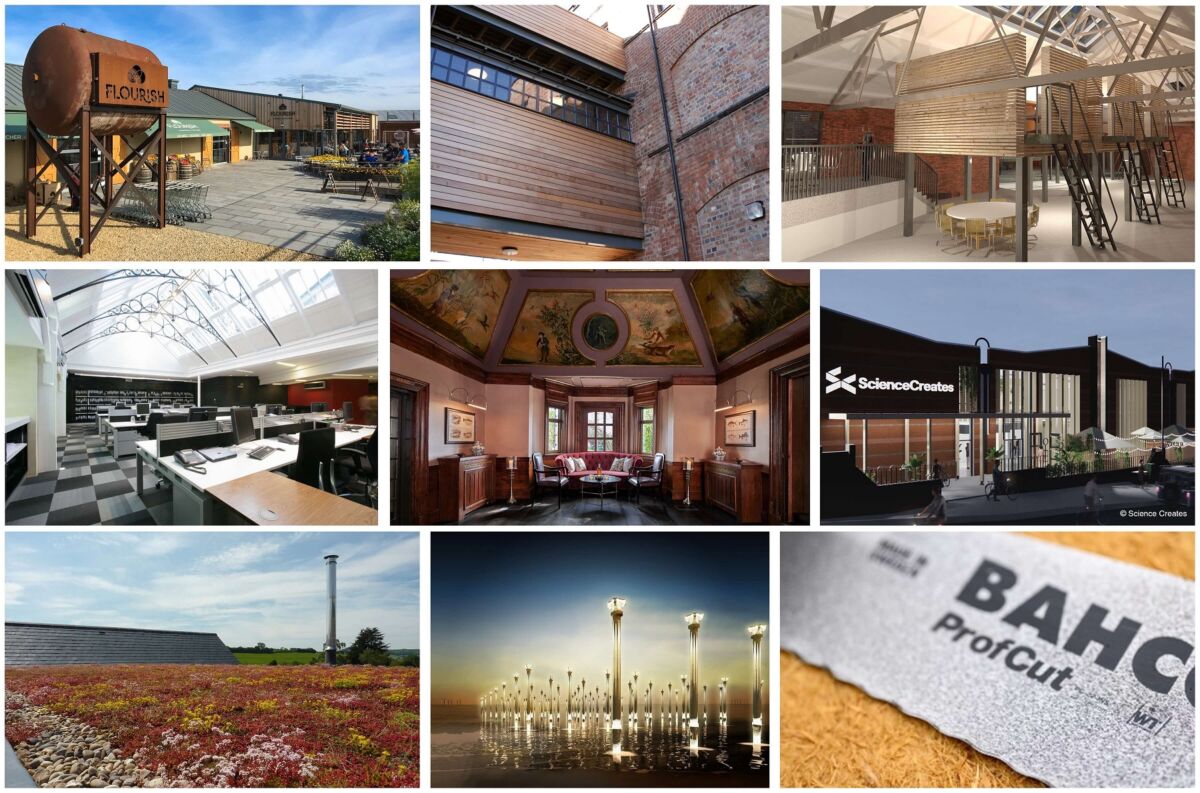
Standards and legal obligations
Minimum Energy Efficiency Standards (MEES) regulations will increasingly impact on landlords. From April 2023, a lettable property must achieve an E rating or better, but a phased approach will see band B set as a minimum by 2030. Listed buildings are not exempt but change will be assessed as part of any Listed Building Application to assess impact and significance of any changes.
Currently, an EPC is triggered at the point of a letting and the EPC is valid for a period of ten years or until re-let. However, EPCs are a blunt instrument that do not accurately reflect actual energy performance or your bills or payback, so this needs a more specific analysis.
Retrofitting
Retrofit is a key stage of the assessment. We will review what might be appropriate to reduce energy use before looking at renewable energy sources. Going forward, we will see rates and rents tracking energy performance and currently all lettable properties will require an EPC rating of ‘B’ by 2030.
– Thermal performance
Thermal performance is of course heavily reliant on site workmanship and detailed to minimise cold bridges. These can lead to mould or timber decay, so thermal upgrades should only be considered once the building has been made ‘retro-fit ready’ and the risks assessed to avoid invasive or costly mistakes. Our preference is for natural insulants which allow better control of moisture, lock in existing carbon and save future carbon, but each building is assessed on a case-by-case basis.
Best practice for IWI (internal wall insulation) will now minimise loss of internal floor space and maximise warm-up times, but retaining thermal mass in walls and floors will help stabilise internal temperatures in a warming climate.
– Heat pumps
Minimising the heat load on your building will open the potential for renewables and heat pumps. Adequate but controlled ventilation is often a requirement here. Underfloor heating typically better accommodates the lower temperatures needed for heat pumps but if the heat load is low enough, radiators will also work.
– Windows and glazing
The latest advances in glazing technology enable us to achieve incredible performance where the inner glass temperature can be maintained at 18 degrees Celsius when it is freezing outside. Despite the technology, energy efficiency is heavily influenced by careful window sizing, orientation and building form.
Biodiversity
The importance of distinctive and biodiverse environments are critical for our health and wellbeing. As consultants who help to shape the world around us, we take the pressing issues of biodiversity and climate change seriously. Across the breadth of our services, we can have an impact in several ways; not just through the buildings we help create, or the places we help change, but in the research, analysis and consultation we undertake to get there.
Native planting and water capture feature in many of our favourite projects.
Working with us
Many of the re-use projects we have completed in the last 30 years have seen us lead projects to ensure the optimum coordination between all designers, ecologists, engineers and energy assessors. This helps you achieve your requirements, whilst satisfying any Listed Building or planning obligations.