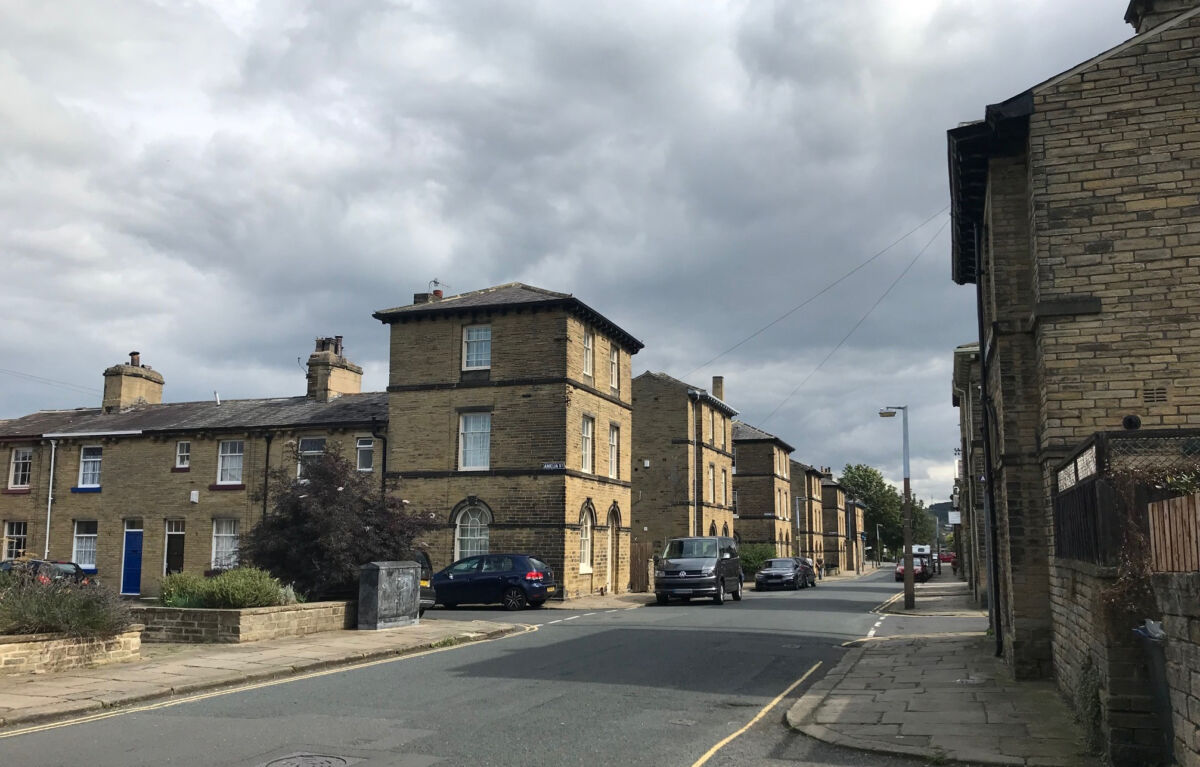
The UK government has announced it is taking forward plans for 12 new towns across England – a significant initiative which aims to boost economic growth and provide new homes. The report by the New Towns Taskforce, released in September, leans heavily on the language of ‘ambition’… which got me thinking about other ambitious community developments from the past that may have inspired the new towns vision as we know it today.
Cue ‘Saltaire’: a socially conscious, well-planned development with a vision that the New Towns Taskforce appears to be refreshing and updating.
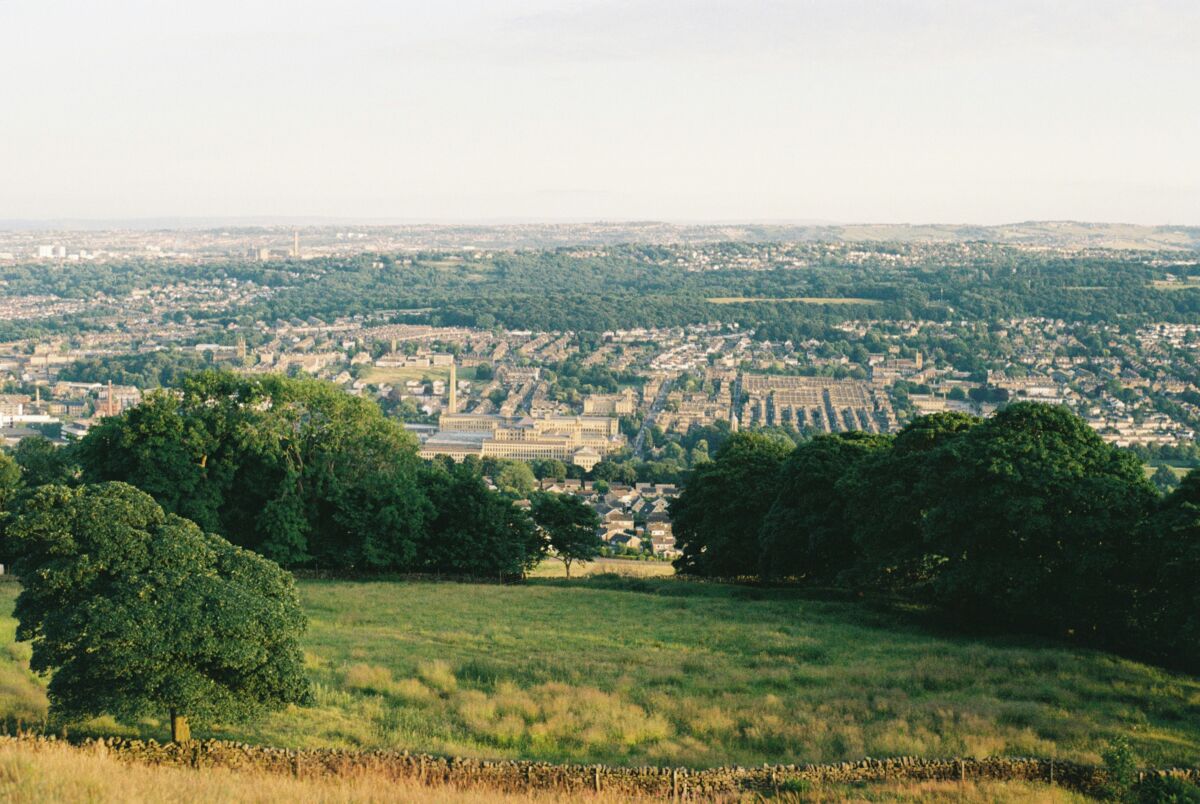
If you haven’t had the pleasure of visiting Saltaire, it’s a purpose-built town in Shipley which was commissioned in the 1850s by industrialist Sir Titus Salt. Salt set out to house those who worked in his textile mills, many of whom faced overcrowded, unhealthy conditions in industrial Bradford. He relocated operations to the Aire Valley, aiming for cleaner air than Bradford – and built a new mill, over 800 homes, a dining hall, a church, a chapel, hospital, almshouses, school, institute and park[1] adjacent to the River Aire and the Leeds and Liverpool Canal. To him, improving people’s wellbeing was an important part of securing long-term economic growth.
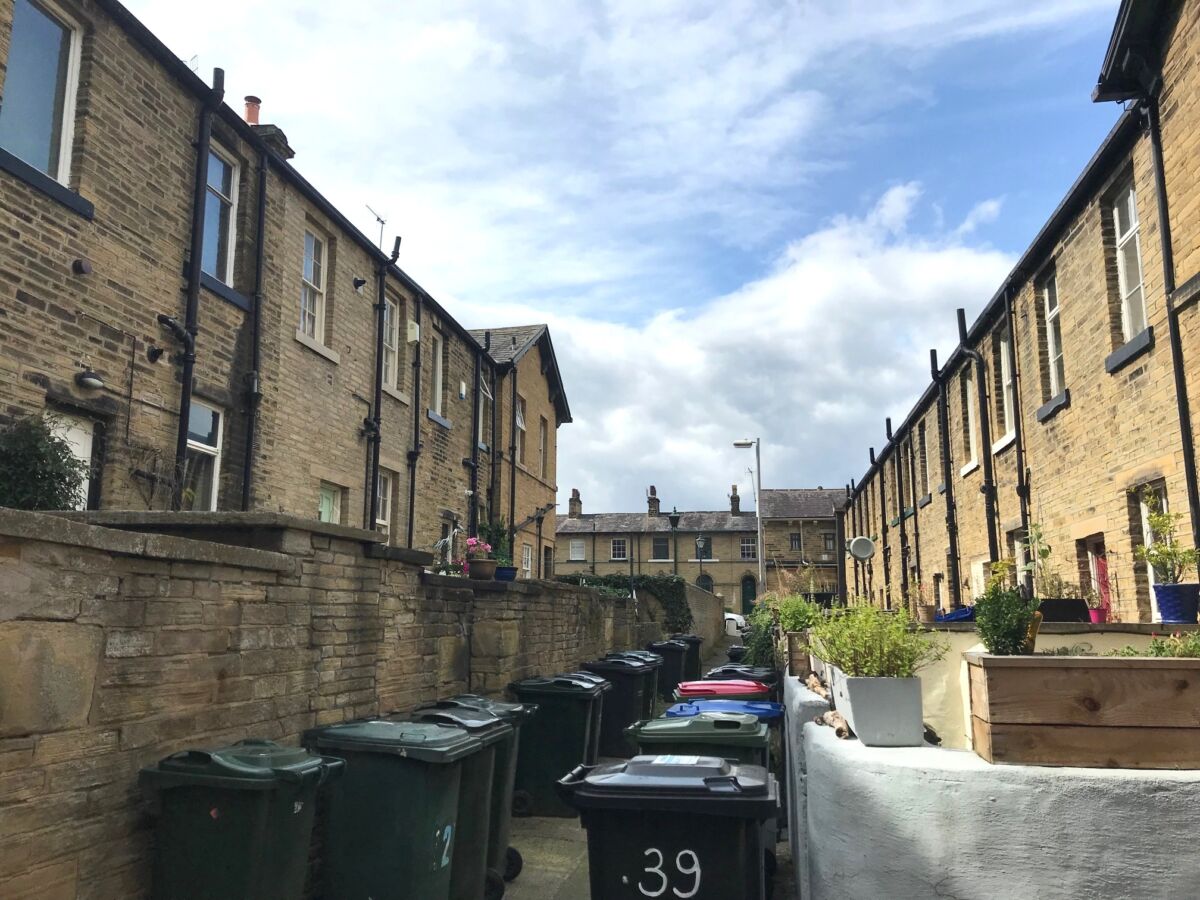
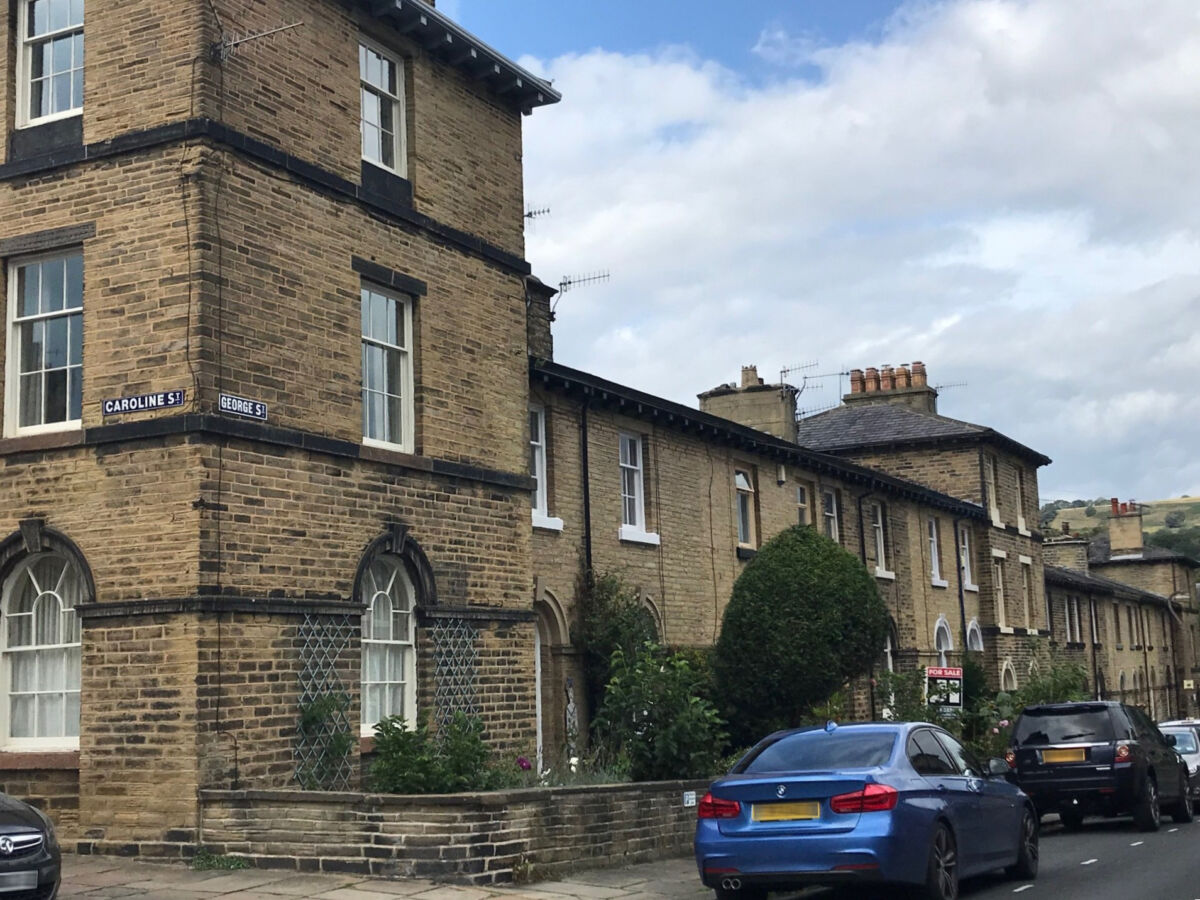
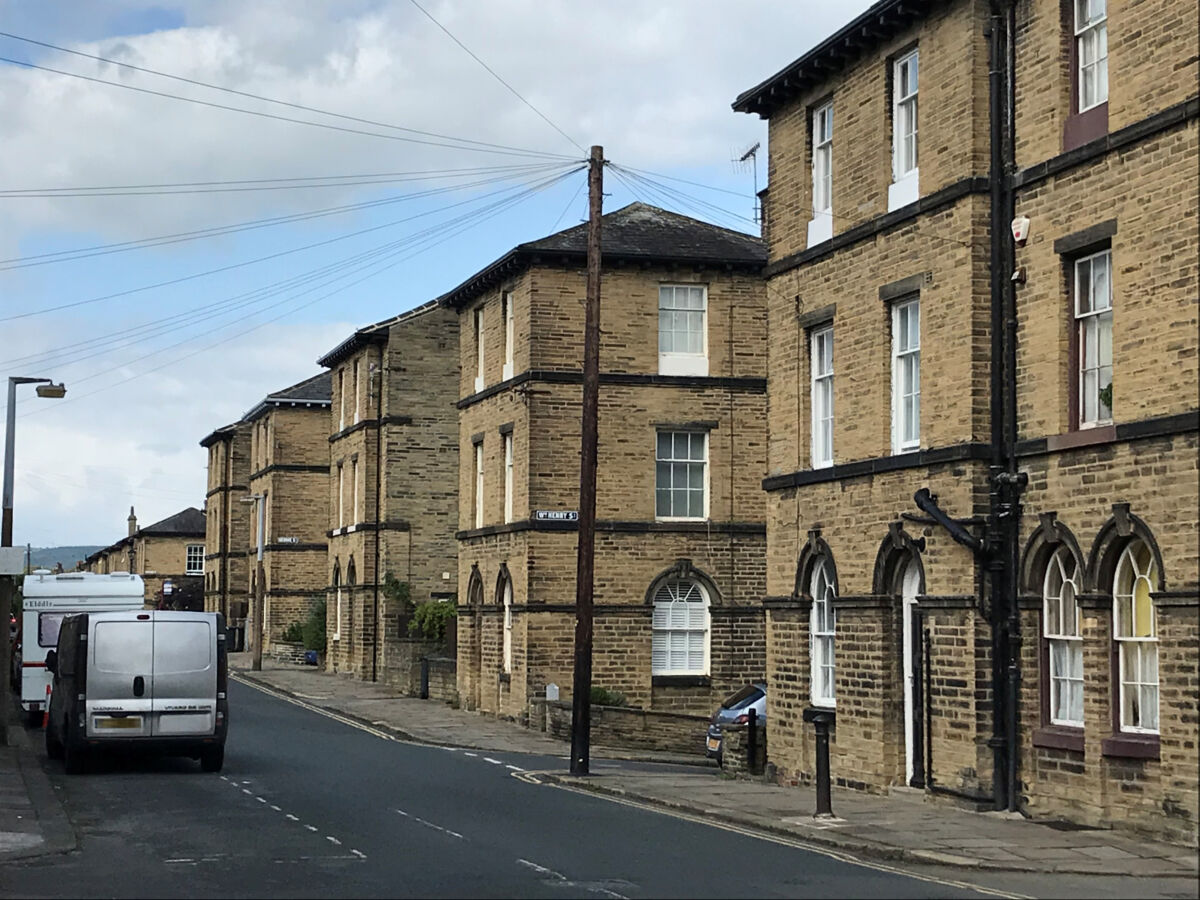
Despite being dreamed up over 150 years ago, the Saltaire model embodies many of the urban design principles, health and well-being aspirations and social principles we know are still important today. It has its own unique character, hierarchy of buildings, tight urban grain and legible street pattern.
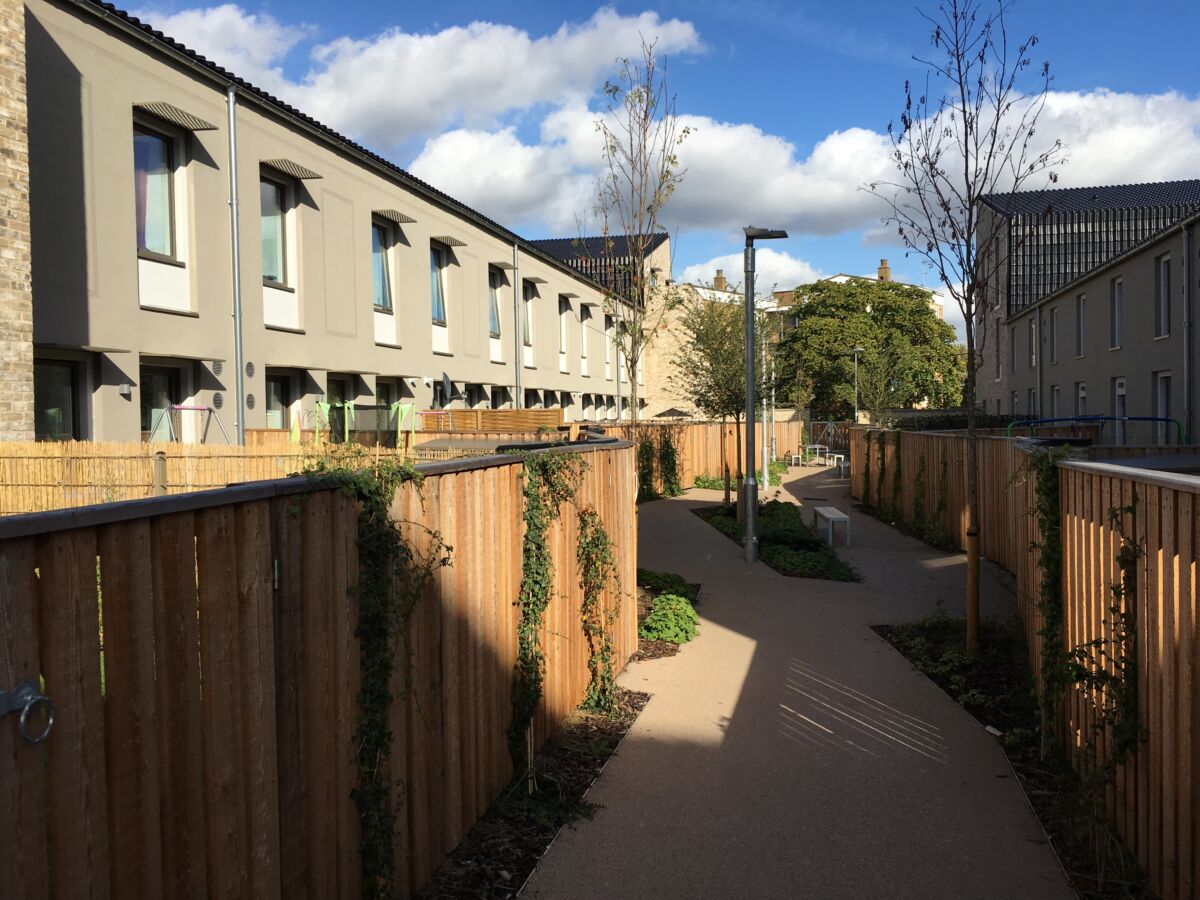
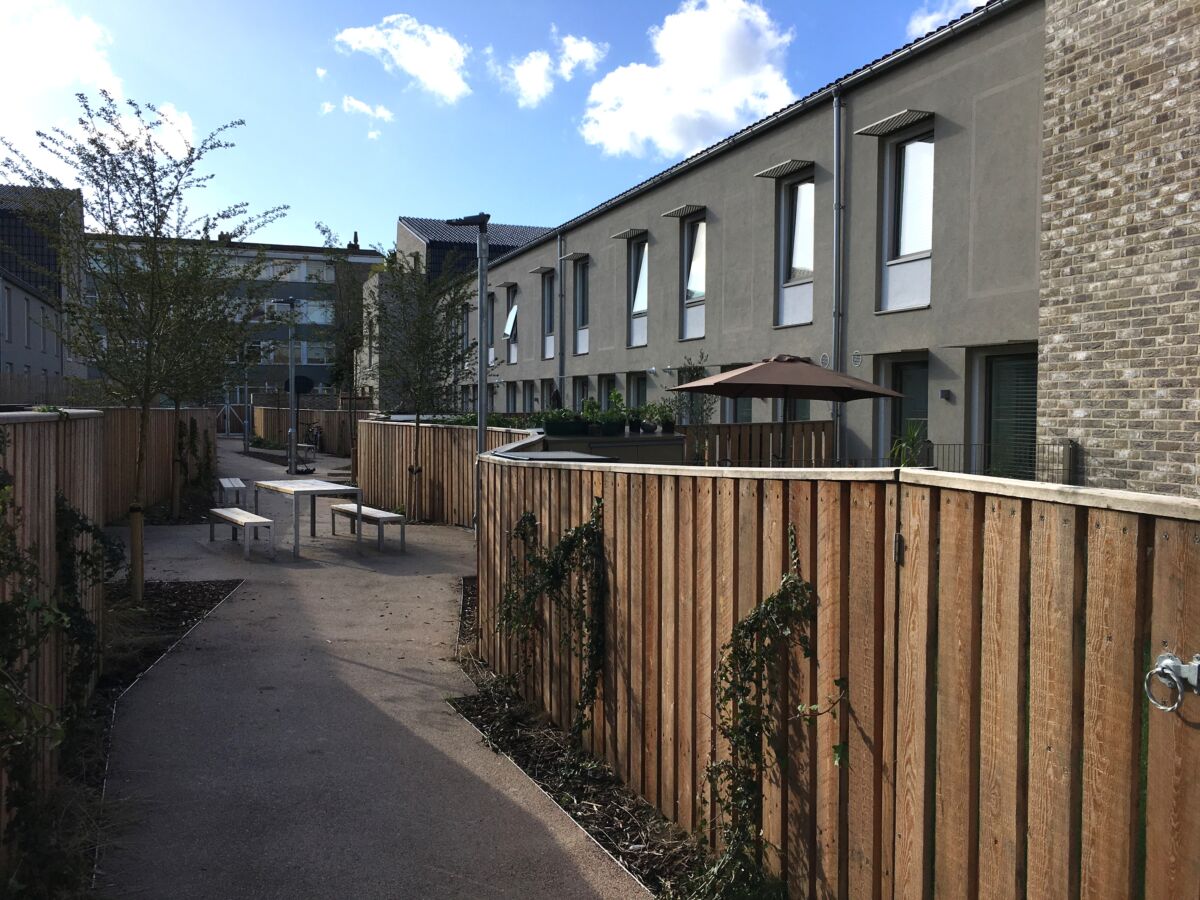
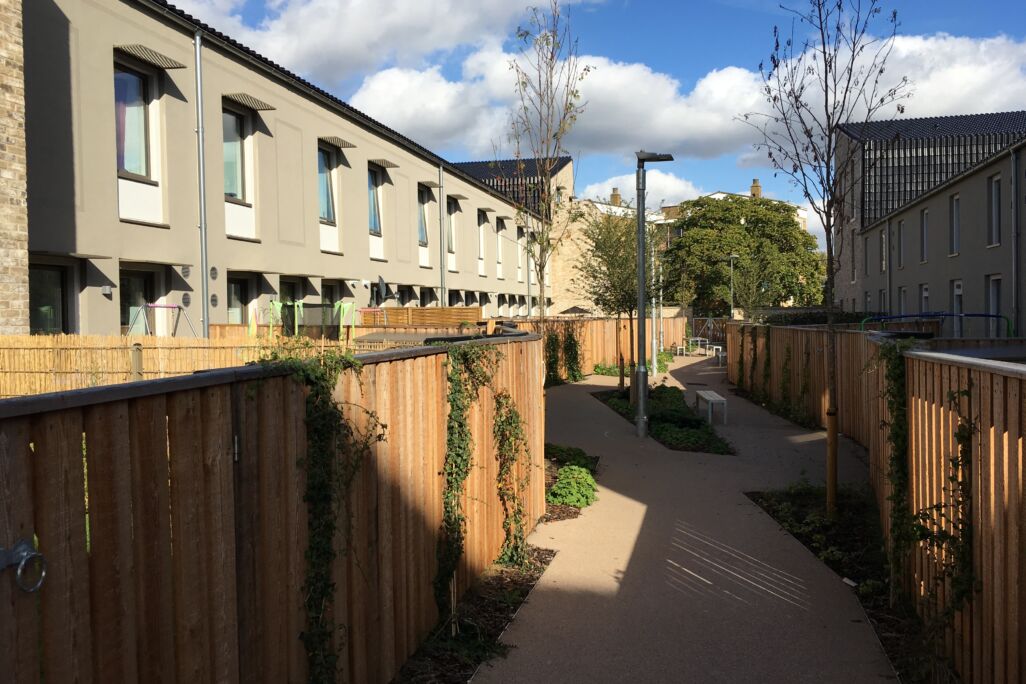
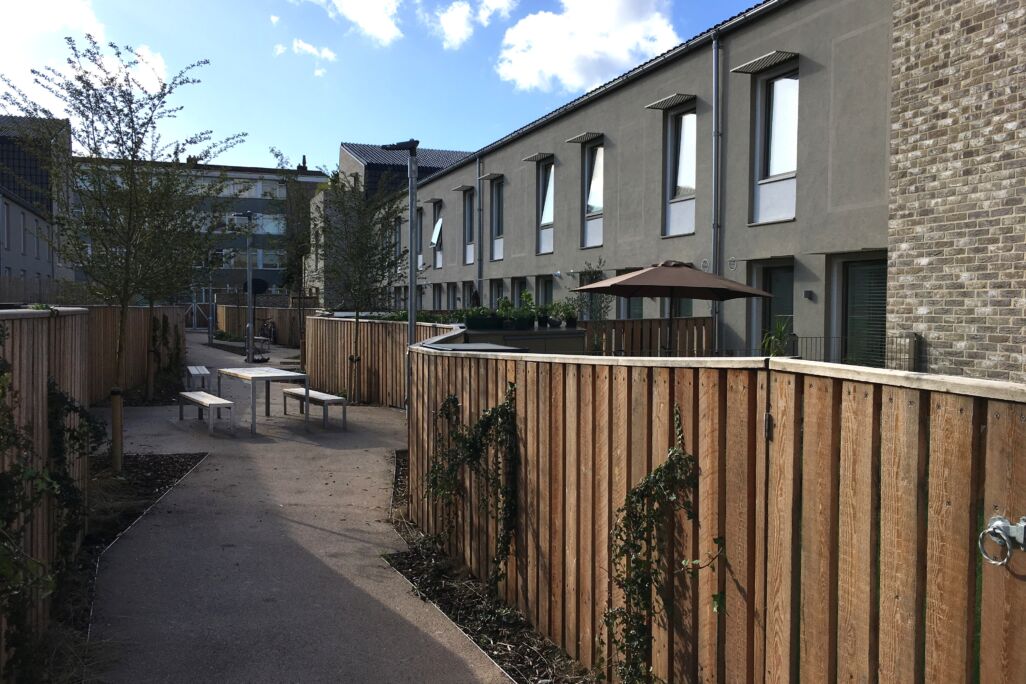
Elements of Saltaire, such as the 3-storey homes at the ends of the 2-storey streets, remind me of the Stirling prize-winning Goldsmith Street in Norwich. Both neighbourhoods, new and old, have courtyard gardens and rear alleyways enabling the dwelling density to increase.

Today, Saltaire has UNESCO World Heritage status – and it’s fully occupied with a vibrant sense of place and community. The former textile mill now hosts Hockney galleries and a range of businesses. Despite changes like car ownership, the masterplan remains largely intact; it’s a model place to live, work and play, and a case study for regeneration and new towns.
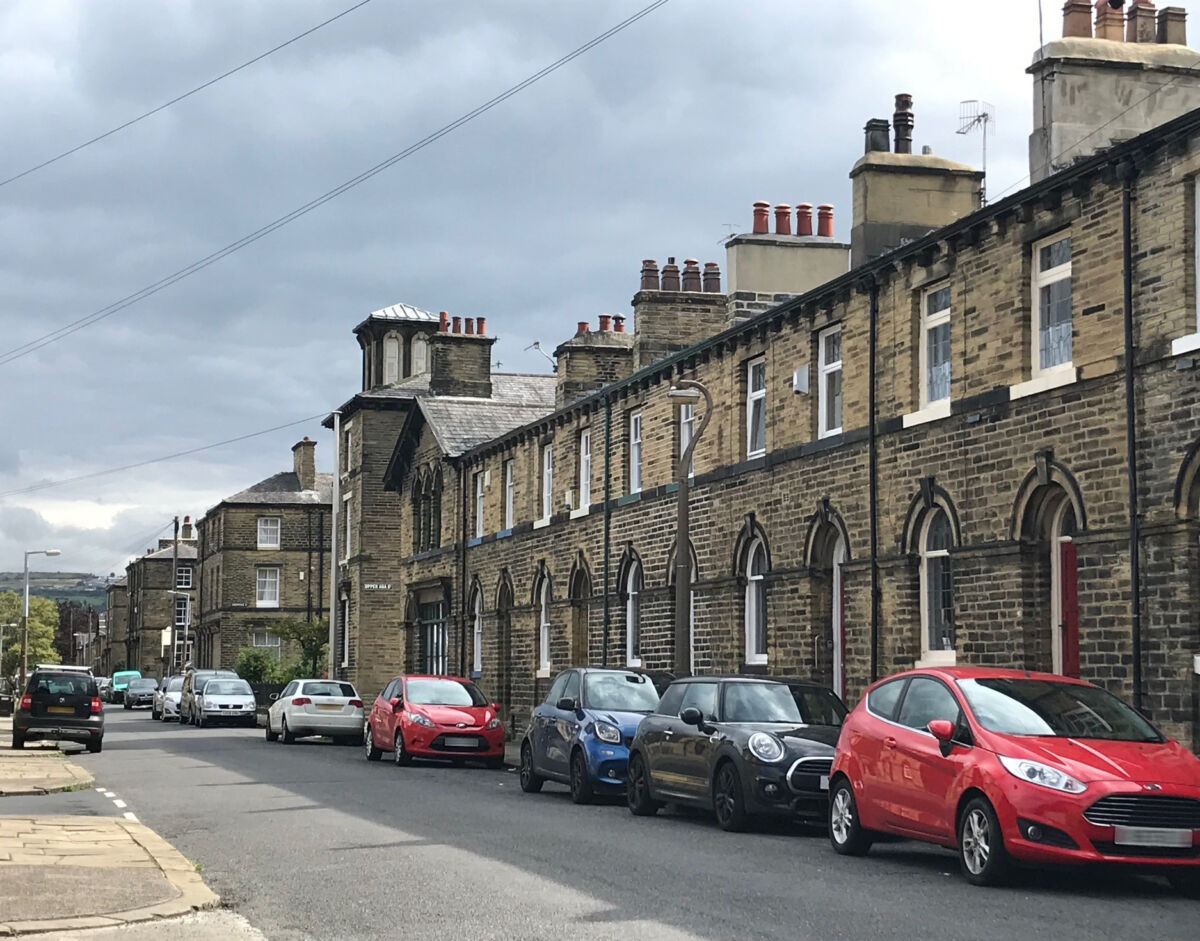
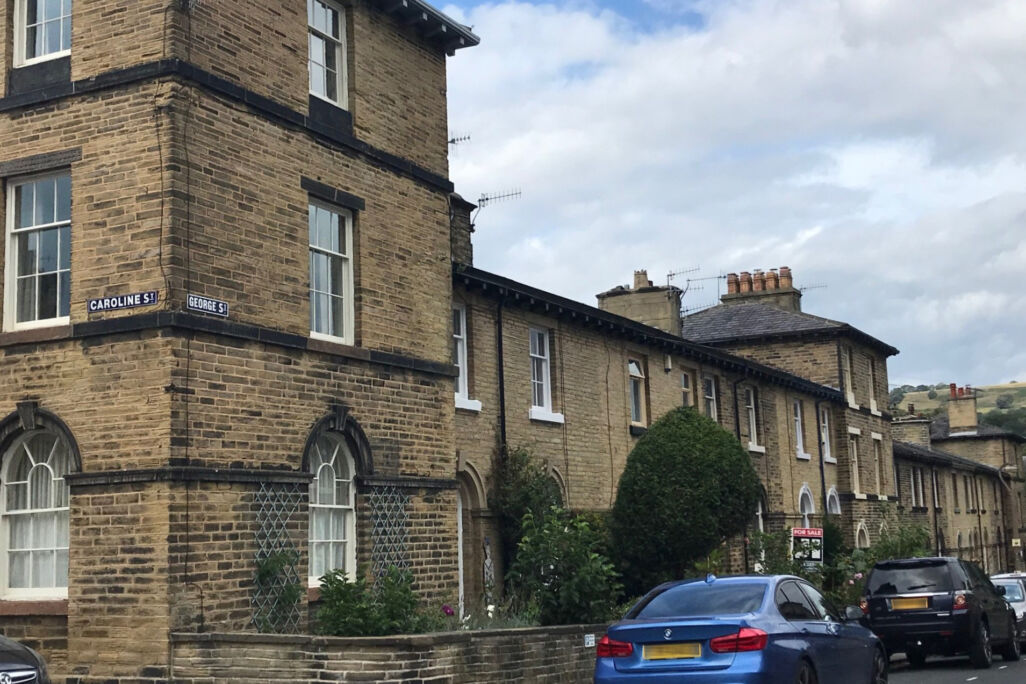
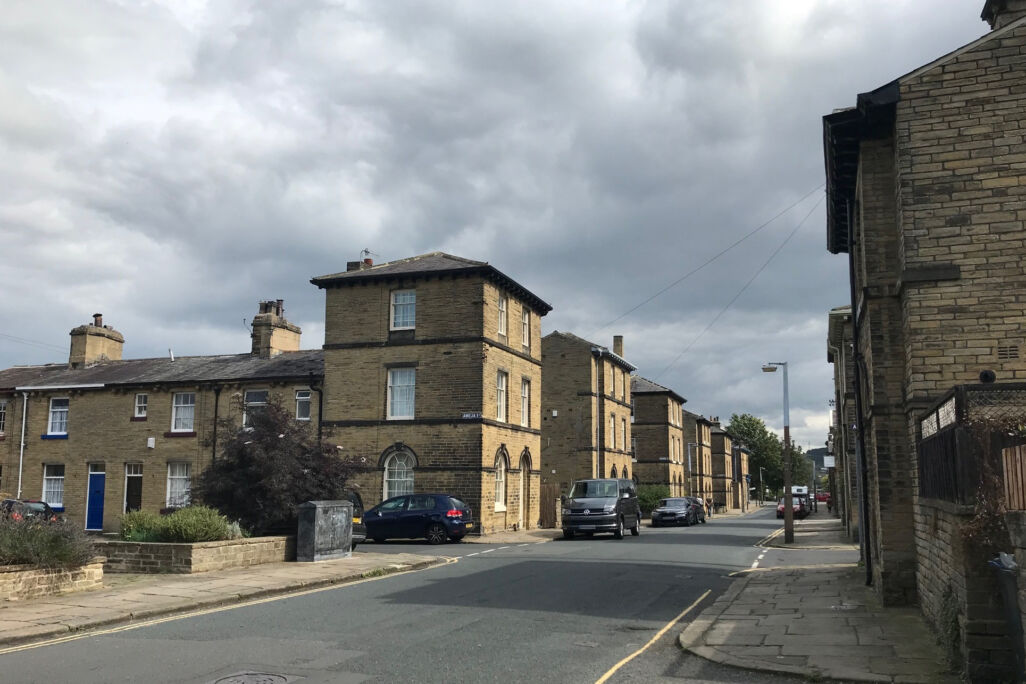
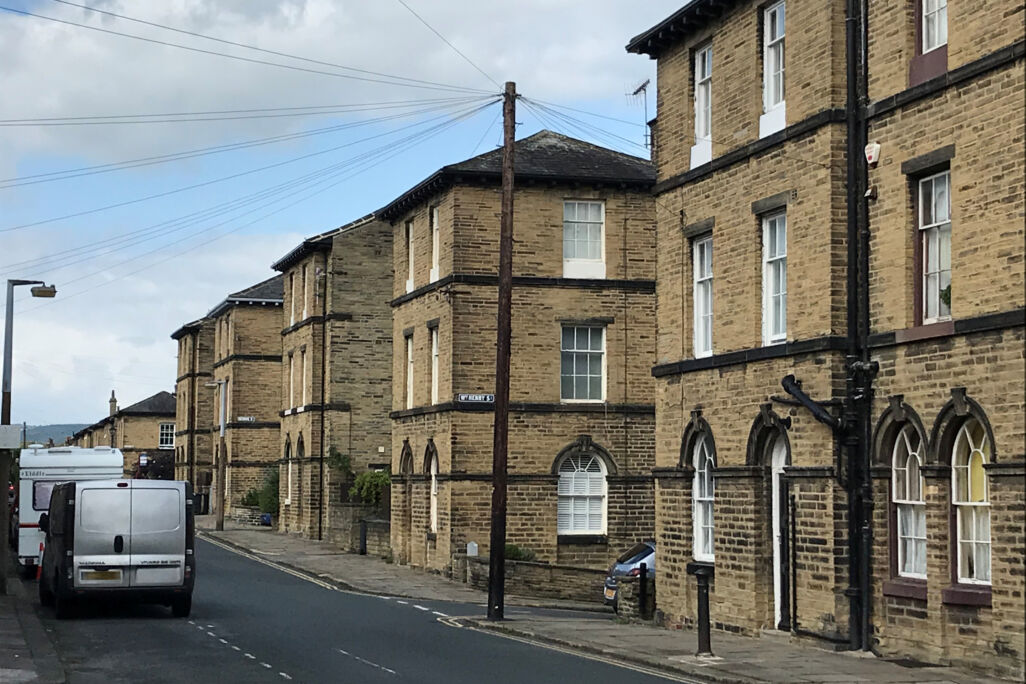
Developing a large-scale and high-quality, human-centred space that shapes better futures was key to Salt’s thinking. Planning Saltaire wasn’t just about buildings but about improving people’s lives – an ambition that’s echoed in the current new towns goal.
So as the UK’s current new towns initiative continues to gather pace, we can look to Saltaire as a great example which straddles the past, present and future. It’s a successful, sustainable, people-centric development that’s still thriving and evolving – and one where the scale of its ambition is still obvious today.
– Amanda Taylor, Director of Placemaking, Nash Partnership
[1] Source: www.saltairecollection.org/story-of-saltaire/buildings/