We published our Tools for Climate Change document early in 2020. It opens with a spotlight on how central government has adapted to the challenges of wartime.
At the time, none of us knew much of what it talks about would soon be being embraced all around the world. This extract from Tools for Climate Change prefaces our examination of how and why 20th century high consumption/high environmental impact lifestyles came about, and the tools of process change available.
A Wartime Footing?
The understanding of the phenomenon of human induced climate change was first articulated as far back as the late 19th century. It grew out of the studies and writing around the “limits to growth” debate of the 1970’s. This introduced the understanding that the earth has only so much capacity to accommodate the level of systemic change human activity worldwide brings, of which the challenges of greenhouse gasses and the loss of biodiversity are only two examples.
But the pressure globally to emulate and spread the lifestyles, standards of living and economic expectations of the western world was largely ignored before the evidence of biodiversity loss and global warming became strong enough and largely undisputed amongst those able to evaluate it. There has now been a marked quickening of pace in the taking up of climate change and environmental topics in the public mind and in the media.
Many commentators have said the urgency of change in humankind’s impact needs to be recognised by national government moving onto a “wartime footing”; that the nature of the climate change and environment crisis now need measures taking that would otherwise only be taken when a nation’s population’s way of life is under the external threat of war.
Using this phrase is saying effectively that the status quo, the normal market-led economy (regulated as far as it is by various tests and balances already in place), is simply unable to deliver the changes that will be needed.
Typically after a declaration of war the following things happen:
Investment Norms Change
The financial systems of the world rely on capital finding places to invest. Arguably, this goal has been more than anything responsible for the concept of perpetual economic growth, and the economy’s ambition to ensure all its participants are borrowing money for something; to buy homes, to buy cars, foreign holidays. But investment needs confidence that money will be made rather than lost. Through the uncertainties future climate change will favour some places and some emerging technologies and disfavour others under greater risk. But only once a sufficient understanding is gained of these prospects. Until then, much of the speculation in rising land values or perpetually rising house prices looks high risk.
A Command and Control Economy
Our system of governance works on the basis that measures for protection are in place for aspects of the natural world and its resources, but for the rest, market forces substantially determine where and how development change happens.
There are statutory processes in place, notably the planning system, through which the risks of change are questioned and interrogated. But in the wartime scenario such checks and balances are overridden by urgency and necessity. Government is empowered by emergency powers to direct what happens where the effects of change are adverse. Where effects are not fully known a government may simply say no. Currently, the statutory planning process is slow to formulate new policy change and in this climate change adjustment era more such powers are likely.
Requisition of Land and Buildings
This was common in wartime to rapidly create the infrastructure (of training, building of weapons and the building of transport) the wartime emergency demanded, delivered through an emergency plan. The rights of property have long been seen as a foundation of stable civil society but if accommodating new flood storage requirements or allocating land to plant trees for carbon capture is seen as more important than new houses in an unsustainable location, things might change.
Freedom of Movement
Freedom of movement to work and live has been one of the building blocks of the European Union economic model. In wartime, freedom of movement was restricted for reasons of security, to keep the enemy away from military establishments and to prioritise consumption of fuel for the war effort. Families were separated as children were compulsorily relocated to lower risk areas.
Rationing
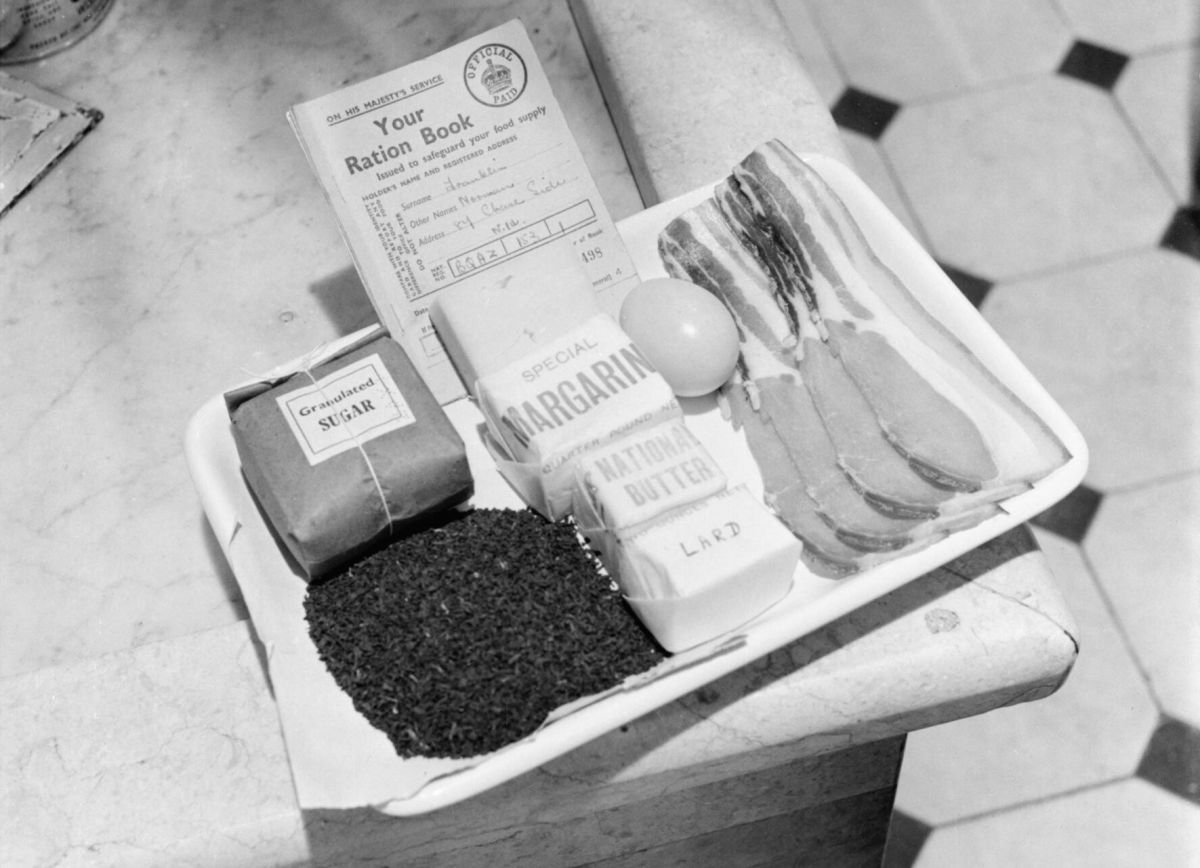
Under the threat of war, rationing of food, clothing, and some other things was judged necessary to ensure all the population was fed well enough for the war effort and avoid some of the population missing out through scarcity pricing. In our own society, reliance on the market already fails to prevent gross inequalities in access to wholesome food and some other goods, including housing. There are considerable risks these disparities will increase.
The Food Supply
In wartime, a nation’s food supply is under threat, both by enemy action disrupting means of supply and the loss of a labour force to the war effort. In war, government directed farmers on what to grow and where to grow it and enforced a new supply of farm workers.
Conscription
The ultimate control; requiring the country’s citizens to be part of the war effort, sometimes against their wishes but with some monetary compensation for the livelihoods they previously had. It is conceivable there could be activities needed to mitigate climate change that merit such a step, if the market cannot deliver.
Faced with this climate and environmental change emergency, will the market be able to deliver the lifestyle changes required? Can this happen within the framework of legislation governments have set in place alongside those changes, working from the bottom up, individuals and their communities initiate?
– What do you think about the market’s ability to deliver the necessary lifestyle changes? Tell us on Twitter.