Our Planning and Regeneration Director Mel Clinton shares his views on the recent motions passed by Bristol City Council.
The encyclopedic Dasgupta review on the Economics of Biodiversity, commissioned by HM Treasury and published earlier this year, made the central point that ‘We are embedded in Nature; we are not external to it.’
There is a long way to go but with extreme weather events continuing to feature regularly in news coverage, COP26 only a few months away and growing recognition of dramatic declines in habitat and species, momentum seems to be building at local level.
New homes: emissions and energy
Last night (7 Sept 2021) Bristol City Council passed two motions relating to safeguarding nature.
One of them is rooted in the Council’s target of zero carbon by 2030 and its view that the proposed uplift in low carbon energy requirements, proposed for the Building Regulations in December this year, is inadequate in relation to this target. The approved motion requires that the Council administration:
- In December 2021, reduce carbon emissions from new homes by 75% through applying the full Future Homes Standards 2025, as set out for Part L of the Building Regulations.
- Promote all new homes to be built 100% zero carbon from 2025, and that a strategic plan is established in consultation with the members of the building development community.
These measures are based on powers provided by the Planning and Energy Act 2008. This Act enables local planning authorities to set requirements for energy use and energy efficiency in local plans. The measures above have not been through the local plan process of consultation and examination so, in this respect, it is good that the motion was amended to include consultation with ‘members of the building development community’, albeit this seems to apply only to second part of the motion relating to 2025. It will be important to look out for details of how this consultation plays out and how the requirements are to be implemented.
Country-wide consistency is key?
Local empowerment and action are to be welcomed. But this does raise the question of whether stronger action is needed at national level, so that rather than a patchwork, area by area, there is consistency and certainty across the country in getting to net zero carbon emissions. This of course raises economic and commercial considerations but again, as succinctly put in the Dasgupta Review, ‘No amount of technological progress can make economic growth as conventionally measured an infinite possibility.’
Re-use of brownfield land and buildings
At the same Bristol City Council meeting a motion was put forward proposing a commitment to no further development on ‘productive wildlife rich agricultural land’ and for increased emphasis on re-use and re-purposing of brownfield land and buildings and on previously developed urban centres. This is linked to the city’s Ecological Emergency Action Plan published on 1st September. Much of the debate centred on the need to tackle both the ecological and the housing crises. In relation to this, the City Mayor emphasised the importance of embedding provision for Nature within new development, something that will be reinforced by the forthcoming Environment Bill and its proposed requirement for a 10% net gain in bio-diversity when sites are developed.
A clear message from Bristol City Council
This motion was also passed, albeit with amendment. Publication of the final wording of the approved motion is awaited, but the message is clear – development must enable and provide for Nature to recover from its present degraded state.
Measures like these will inevitably become more common. It is vital therefore that the built environment sector is alert to them and that they are considered throughout the project process, from initial site acquisition, through design to implementation.
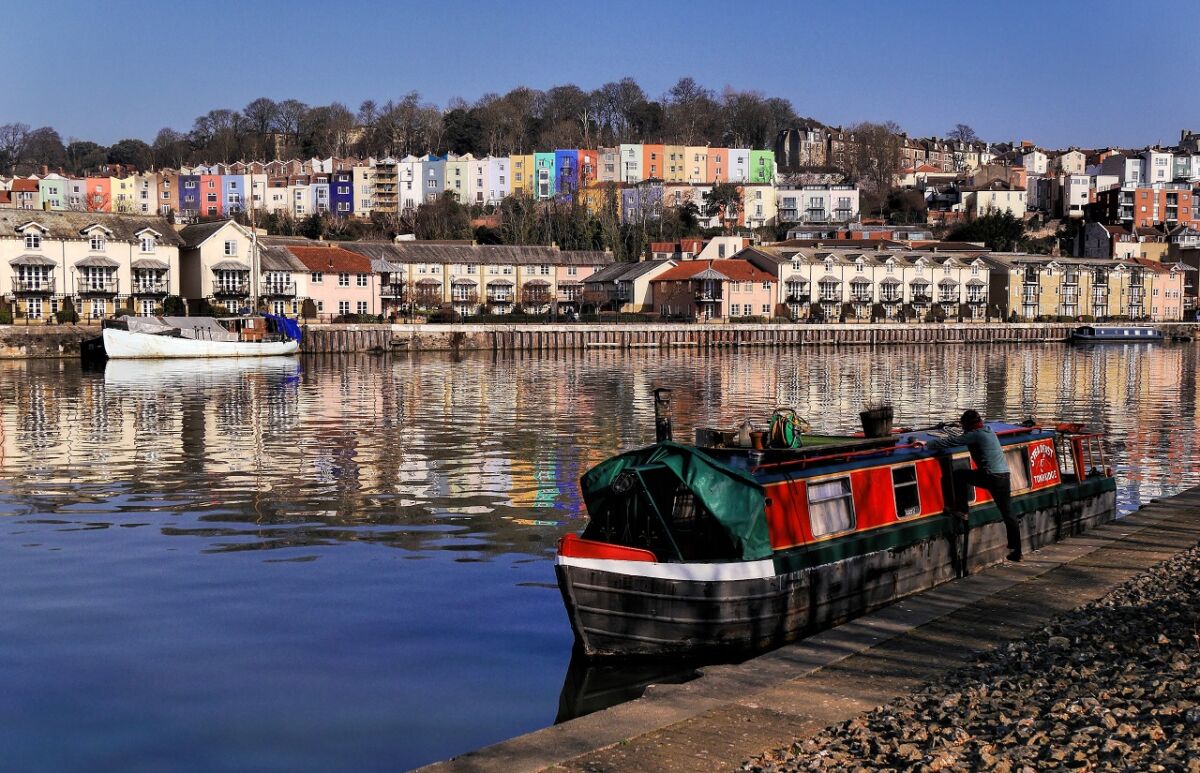
Photo by Andy Newton on Unsplash