Whilst coming to terms with the prospect that some aspects of lockdown will be in place for a little longer, and that many building uses may need to change significantly, our thoughts inevitably turn to what this might mean for the heritage sector.
In many ways, the reasons for living or working in an historic building or place are stronger than ever. They are typically located in places we value, and the consequences of the pandemic may mean these are on the market for the first time in years.
If you’re looking to purchase a property for commercial reasons, buying a heritage building may not be the first thought that springs to mind. Visions of small, dark, neglected rooms, crumbling walls and the prospect of protracted negotiations could be enough to put off any potential buyer. But heritage properties come in all shapes, sizes and conditions. They can offer significant returns for property developers and shouldn’t be overlooked as an option for locating commercial premises, either. Here’s why.
A characterful option
Old buildings exert a strong pull on people. They’re full of character and offer a sense of permanence and belonging. They’re also usually robust and offer an unrivalled, historic connection with the immediate setting and surroundings. They’re often architecturally distinctive and help give places their unique identities.
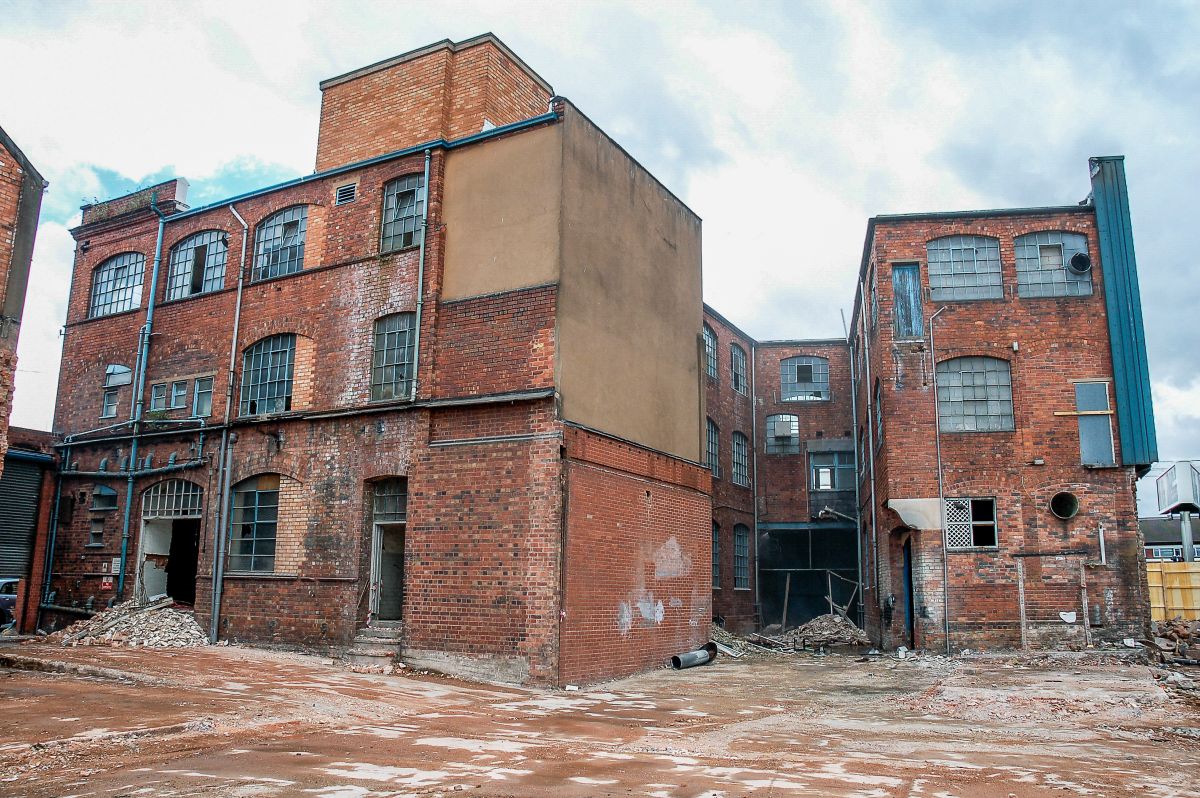
Every town has a mass of old, under-used properties. If upgraded, these could provide pleasant places to work, impressive premises for customers to visit or unique places for people to call ‘home’. Although there are relatively few properties for sale on the Historic England ‘Buildings at Risk’ register, even these buildings in a relatively very poor condition can offer good financial returns if their conservation, restoration and re-use is approached correctly.
So, heritage buildings often have bags of appeal and are certainly worth a second thought commercially. But – this notion does come with a (big) caveat that any conservation or restoration project to make the building fit for purpose is approached correctly.
Potential pitfalls
As conservation architects, our role includes conserving buildings to prevent any further decay, degradation and loss of significance. Unfortunately, our advice can be sought too late when the project is quite far along and clients are asking for advice retrospectively.
The design delivery stages, technical, regulatory and commercial imperatives all put pressure on the successful delivery of a client’s vision; but the constraints that come with working in the heritage field are frequently misunderstood or managed poorly. And often, their impact is considered late.
This can have a hugely detrimental effect. Not having a holistic approach to design, heritage and delivery almost always ends in project delays, frustrated clients, cost increases or – worst case – aborted projects.
Depending on whether the building has listed status, is in a conservation area, or is of local significance will determine certain considerations such as the type of consent needed to carry out work. In extreme cases, heavy fines can be imposed because any unauthorised work to a listed building is a criminal offence, and all parts of a listed structure and its setting have equal protection by the law, irrespective of what is in the listing description. A fine could significantly eat into any expected commercial returns.
Other considerations include ensuring the building is available for business purposes (if that’s the intended use), which may require planning permission. And it’s vital to ensure the building is structurally sound, waterproof and safe.
Conservation – or restoration?
Aside from understanding what work needs to be done when, it’s also useful to understand the difference between ‘conservation’ and ‘restoration’. Conservation is looking to retain and enhance a building’s history, whereas restoration is to take out ‘non-original’ elements and return it to an ‘as new’ condition (although most still require modern services retaining).
In conservation terms, understanding a property’s past is a vital part of shaping its future. An in-depth knowledge of what has happened to a building, with whom the building is associated, why and when helps tell the property’s ‘story’ and gives clues about its significance in evidential, historical, aesthetic, and communal terms.
As well as preventing further decay, our role as conservation architects may also include reversing inappropriate work that is detrimental to the building’s heritage significance. It may be helpful to think about this as ‘maintaining’ or ‘managing’ change with a goal of sustaining the property’s significance, rather than reverting to a particular past period.
Restoration, on the other hand, implies ‘improving’ to return it to an earlier period and to an original ‘as new’ condition. It can be an appropriate term to describe work to part of a building – for example, a metal window or a timber door. People often assume that returning it to an ‘as new’ condition is good for a building, but it rarely is because layers of history are inevitably removed and only the most dedicated will consider a full restoration.
The question of viability
For some sites, it may be a more commercially viable approach to build new properties around a retained heritage asset than simply converting the old property alone. This has been the case on several projects we have handled, where a balance of keeping existing historical assets and building within the setting has steered the project – especially where the distinction between ‘old’ and ‘new’ is not immediately apparent.
So, heritage buildings can offer commercial owners significant returns from a number of perspectives – but only if the right work is done at the right time. Gaining expert conservation leadership and advice as early as possible is the best way to ensure your commercial property project goes to plan.
– Get in touch with Kevin Balch if you’re looking for expert conservation leadership and advice for your project.