In keeping with the wider world, progress on Nash Partnership’s projects and prospects in Africa has been slow over the last few months. But it has been moving forwards, nonetheless.
Jigawa Energy City, Nigeria
We have been edging towards completion on the Jigawa Energy City Project in northern Nigeria. The objectives of the project include reducing the country’s dependence on gas-fired power plants, developing a world class renewable energy cluster, creating jobs in a deprived part of the country and stimulating investment in the renewables sector more generally.
The project involves the creation of an energy-led masterplan, including a solar park, a cluster of associated industrial, R&D and educational uses and supporting housing and community facilities. The first phase of the masterplan covers 484 hectares (including the solar park) and would deliver circa 4,100 homes, 62 hectares of employment and community uses and 69 hectares of open space. Our approach was guided by a series of principles informed by a mix of international (the UN Sustainable Development Goals), national and state-level policy objectives (summarised below).
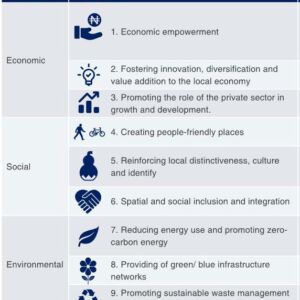
Typically, the masterplan was informed by socio-economic and environmental baseline research. The latter included a study of local urban morphology, focused on key settlements elsewhere in the region. This was important, as cities in the north are different from other regions due to climatic, cultural and religious factors. It was also informed by a review of case study examples, including a 20-year old locally prepared masterplan for Jigawa and more recent masterplans prepared by international consultants. It was also underpinned by a mixture of urban design analysis and high-level concept, the latter picking up on the design traditions relating to the Calabash, ubiquitous in northern Nigerian culture. The masterplan is shown below.
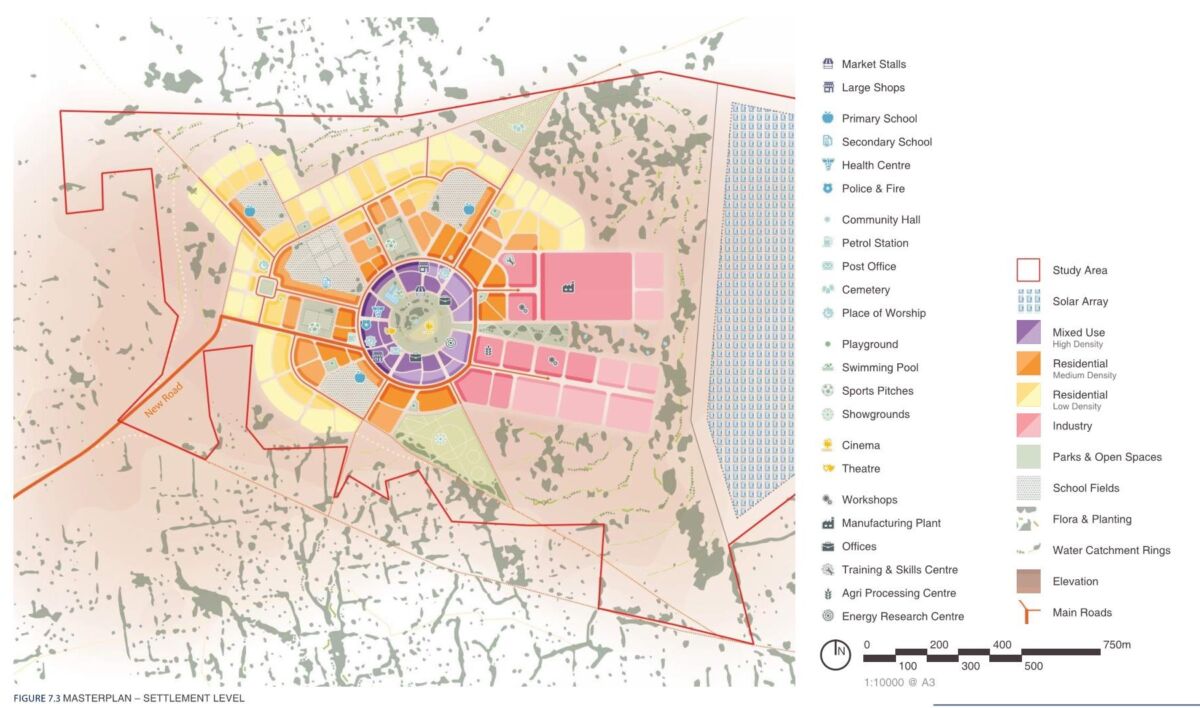
The project is due to be signed off by project stakeholders, who include the African Development Bank, the Nigerian Rural Electrification Agency and Jigawa State Government imminently. The next stage – to be led by others – will be to source funding for the delivery of the solar park, together with other key infrastructure required to deliver the masterplan.
Pemba, Mozambique
We have also been working with the British High Commission and Pemba City Council in Mozambique, to develop proposal for a new planning framework for the City of Pemba in the north. Sitting on a beautiful coastline and at the southern tip of the third largest natural bay in the world, this city of over 200,000 faces multiple pressures – positive and negative. These include tropical cyclones, most recently reflected in Cyclone Kenneth which cause widespread damage in 2019; a growing Islamic insurgency in northern Cabo Delgado, giving rise to significant incoming migration of internally displaced persons (IDPs); and the recent discovery of offshore gas. Covid-19 has now been added to that list.
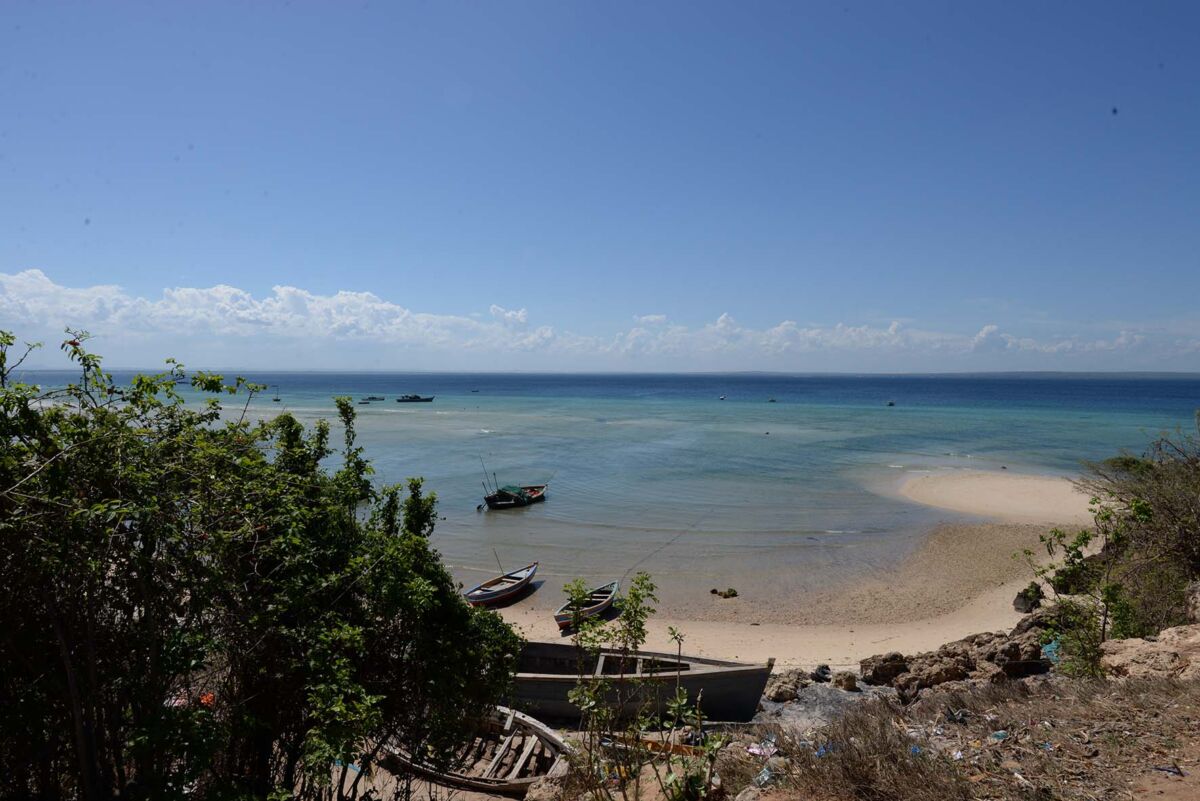
As a result, the city is in desperate need of a city plan to coordinate the rapid changes it faces, which will give rise to increasing inequality and insecurity if not properly coordinated. It should also help make the most of its significant natural assets for tourism, energy generation and other purposes, which in turn will help provide a longer-term transition away from gas towards more sustainable income generation. A planning framework, investment strategy and building the capacity of government officials, academia and the community will all form key planks of the strategy.
We are currently working with the British High Commission to source funding for the project. This has been delayed due to short-term funding prioritising those projects relating to Covid-19 and human capital development, the latter to arrest the growing Islamic Insurgency in the north.
Akosombo, Ghana
We also led a bid for a smart city masterplan for Akosombo in Ghana. Akosombo was originally planned in the 1960s alongside the creation of the Akosombo Dam – the largest post-independence project in Ghana- which created Lake Volta, the largest man-made lake in the world. Having out-grown its original masterplan, The Volta River Authority sees an opportunity to build on the town’s modernist foundations to create a smart, sustainable town based around growing its tourism, technology, and quality-of-life offer.
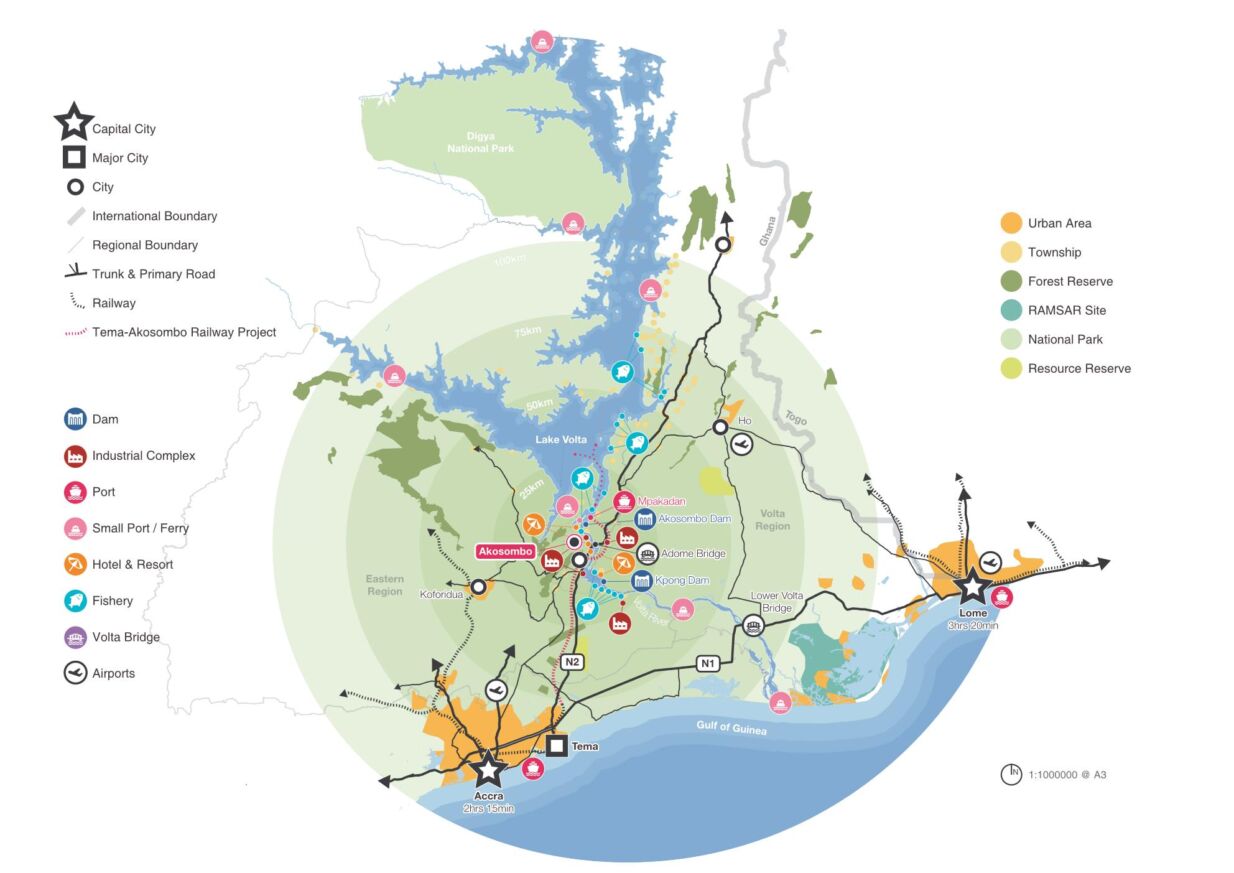
We led a team comprising a mix of Ghanaian and international consultants and await the outcome of the bid.
- By Nash Partnership’s Planning Director Mike Fox
First published in RTPI SW ‘Branchout’ spring 21 edition