Our post on 21 October summarised the phosphates issue that has recently arisen in relation to the catchment area of the Somerset Levels and Moors protected habitat and its potential impacts for planning decisions and development. It has created great uncertainty and can result in local planning authorities, in effect, declaring a moratorium on issuing permissions for development that might increase phosphate load.
The issue is one that affects other protected areas too, including the River Avon catchment draining to the Solent and the Rivers Wye and Lugg in Herefordshire. Because both phosphates and nitrates can be involved, the term ‘nutrients’ is a useful coverall.
In short, the main sources of nutrient discharge to water courses and bodies are agriculture and sewage treatment works. The level of discharge has reached a point in some areas, including the above, where adverse effects, primarily through eutrophication (excessive growth of algae and plants), are harming protected habitats. As a result, new residential development (and some other development types) needs to be nutrient neutral if permission is to be granted. Generally, this requires strategic solutions, with projects to convert agricultural land to open space/habitat and upgrading of sewage treatment works the primary measures. It is also worth noting that surface water run-off appears to be emerging as a further phosphate load consideration, arising from garden fertilisers and road salt for example, in relation to protected habitats.
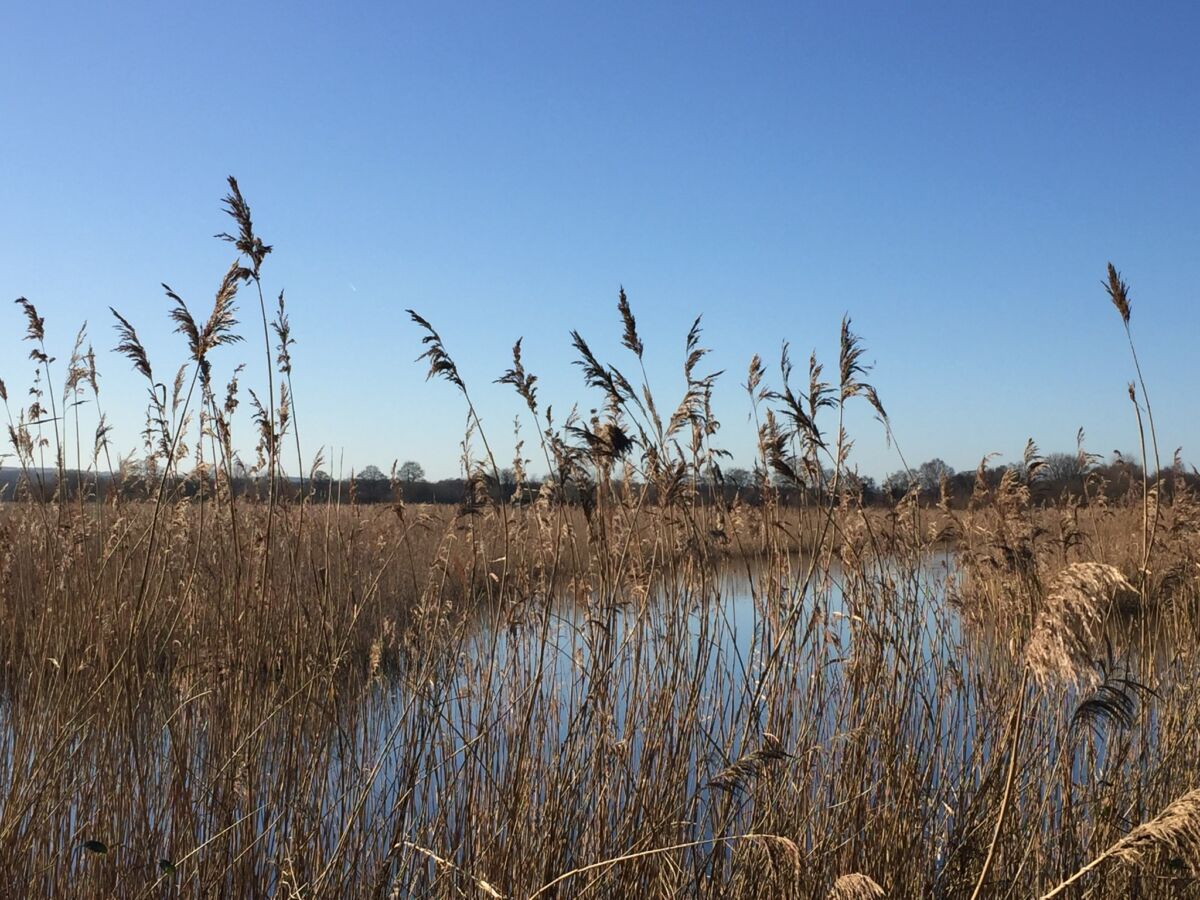
Planning applications in affected areas need to be subject to an Appropriate Assessment by a competent authority (the local planning authority), to assess the potential impact of nutrient discharge from the development on the protected area, taking account of proposed mitigation measures.
In applying this requirement through the planning system it is clear that, where potential adverse effects might arise, an Appropriate Assessment is required for full and outline planning applications proposing new homes (and some other forms of development). There has, however, been considerable uncertainty in relation to other forms of application, especially permitted development prior approval and reserved matters applications.
Nash Partnership has, for example, had a recent prior approval application delayed on the basis that phosphate impact could prevent issue of an approval. However, after highlighting an appeal decision that considered the issue, prior approval was granted, with an informative that development cannot commence until an application under the Conservation of Habitats and Species Regulations (the Regulations) is approved by the local planning authority. Therefore, for permitted development prior approval applications assessment under the Regulations is a separate process that should not delay or prevent granting of prior approval.
With regard to reserved matters, it would appear that an Appropriate Assessment should not be necessary because the outline permission will establish the principle, uses and also usually the quantum of development. Reserved matters approval then involves consideration of relevant detail, such as layout, appearance and landscaping. Consideration of issues arising from nutrient ‘load’ would not seem to be relevant to such applications. However, the requirements of the Regulations run contrary to the normal operation of the planning system, whereby the principle under the primary approval is not revisited under subsequent decisions, such as reserved matters.
Clause 63 of the Regulations requires an Appropriate Assessment before giving any consent, permission or other authorisation for a plan or project likely to have a significant effect on a European site. Its scope is therefore broad in terms of the decisions embraced by the requirement for Appropriate Assessment. Having said this, in the case of reserved matters, an outline planning permission will exist and assuming the European site was designated at the time, this permission will have been on the basis that the proposal would not adversely affect the integrity of the European site. A key consideration, therefore, is whether there has been any material change in circumstances between the granting of the outline permission and the reserved matters application. If there has not, the conclusions of the Appropriate Assessment should be the same as the Assessment that enabled the granting of the outline consent.
However, where, such as with the Somerset Levels and Moors, the nutrient load has only recently emerged as a critical issue for planning decisions, there will be outline permissions which did not require an Appropriate Assessment but now such an Assessment is required at reserved matters stage. Similarly, where an outline approval was based on a ‘positive’ Appropriate Assessment there may be changes in circumstances, since the outline approval, such as increased nutrient load or lack of progress with anticipated mitigation measures, that will, at reserved matters stage result in a different Appropriate Assessment outcome.
The nutrients issue in affected areas therefore needs careful consideration. There will be solutions, but the mechanisms for delivery and timing are key if development and the supply of an already inadequate provision of new homes is not to be slowed further. This requires strategic planning across local authority boundaries, if necessary, supported by Government funding. It is urgent and public, developer, consultancy and environment sector organisations all have a role to play in resolving the issue.
More broadly, the impact of nutrients is symbolic of the delicate balance of the eco-system upon which we all depend and signals the growing importance of considering the natural world in planning and designing new development. This is evident, for example, through bio-diversity net gain requirements and the Building with Nature Standard that is increasingly being expected, to ensure high quality green infrastructure as an integral element of development projects.
If you would like further information, please get in touch with our Planning and Regeneration Team.
- Written by Mel Clinton.