When viewing old properties, it’s easy for potential buyers to focus on proposed internal decorations and alterations that they’d like, to update a property to their taste. However, before anything else, the main priority should be to make the building structurally sound, waterproof and safe. Here’s some guidance on what to look for:
Identify condition issues
It is important for new owners to distinguish between the works a property needs as opposed to the works you wish to do. A good place to start is to identify the issues with the building fabric and their causes. Unless the property has been surveyed by someone familiar with traditional building fabric, work advised and/or undertaken often uses modern methods or materials that are inappropriate. This could have unintended side effects on the historic fabric. Historic England, the IHBC, the SPAB and others have excellent technical advice available concerning works to upgrade Listed Buildings and their consequences.
Tackle problems at the outset to avoid escalating costs
Updating, re-fitting and redecorating an old property can involve treating a myriad of issues. These typically range from damp, timber decay and beetle attack, friable masonry through to spalling plaster and black mould.
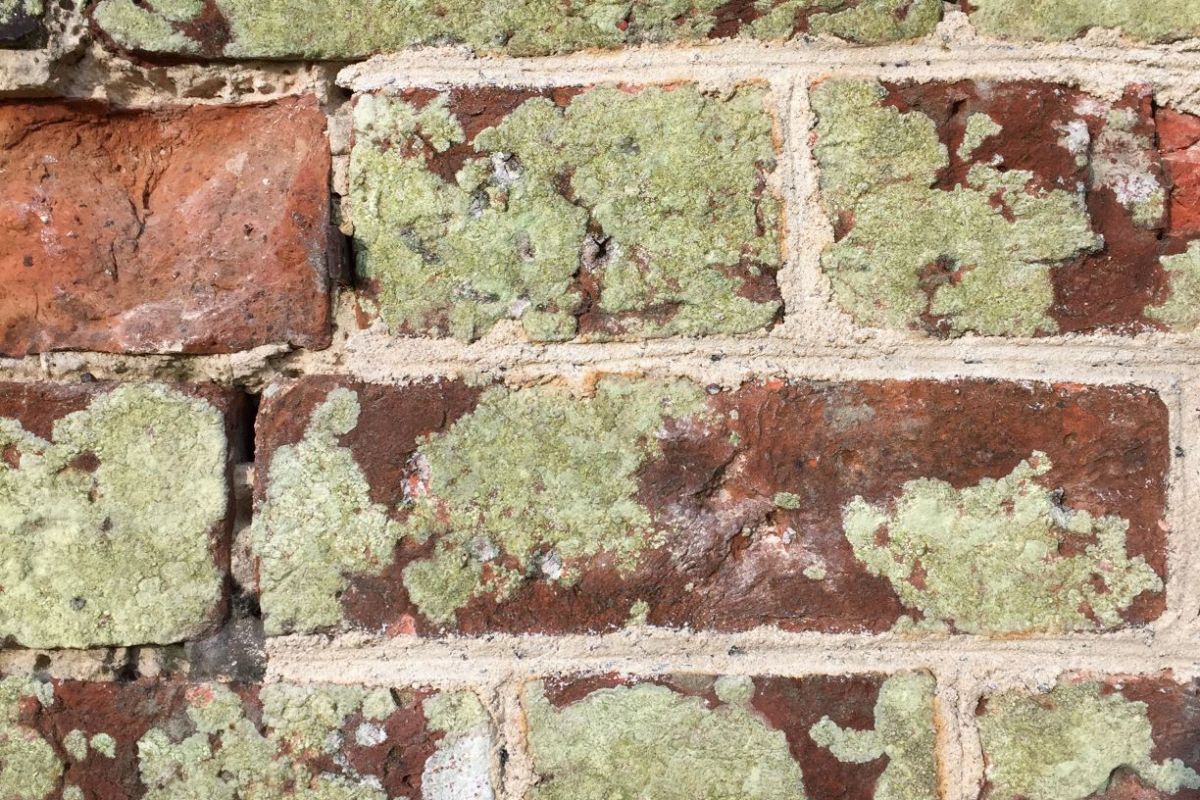
Problems multiply often because the original cause is not addressed until it become unsightly or causes habitability issues. Even then, people often address the symptoms and redecorate or adjust how they use the property rather than face the issue. Underlying conditions must be treated correctly to avoid causing greater problems (and more expense) later. A little basic maintenance can go a long way towards addressing even serious issues.
Consider maintenance
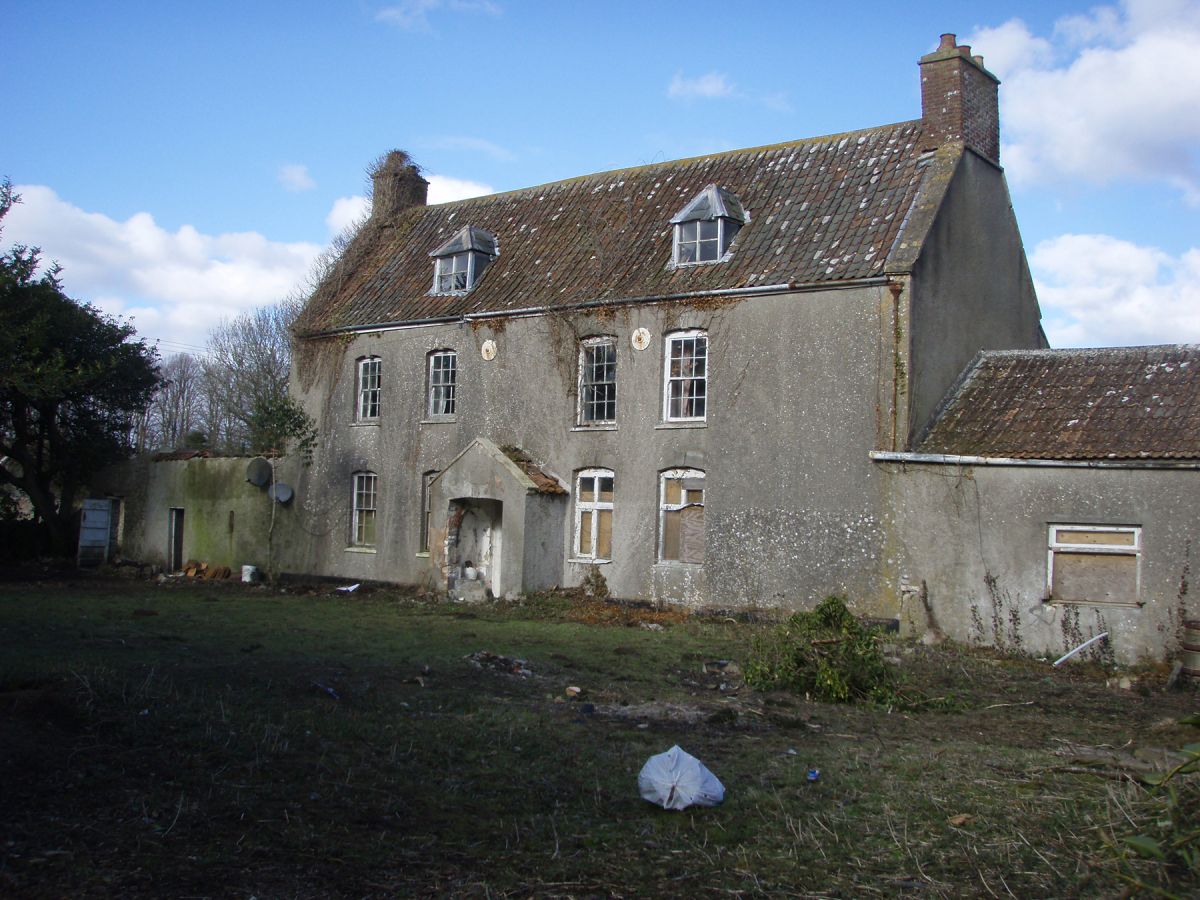
The base cause of fabric issues is often water penetration, where neglect spirals until a simple problem becomes a major issue. This often starts from partially blocked and uncleaned gutters, or pulled joints, displaced or fractured rainwater pipes. It must be understood that damp leads to timber and plaster decay as well as insect attacks.
Historic buildings are often very robust and can recover, but – like any structure – even the most robust will fail if maintenance is neglected over a long period. By addressing the underlying causes, quite serious decay can be paused and works made less invasive.
Final thought
New owners are often quick to treat the surface conditions and redecorate. Without understanding and tackling the base causes, the results are likely to be short-lived.
By involving heritage experts early in your project, any underlying causes can be identified and treated. As conservation architects, our role includes conserving buildings to prevent further decay, degradation and loss of significance. But unfortunately, our advice is sometimes sought too late when the project is quite far along and clients are asking for advice retrospectively to justify their proposals. The constraints involved in working on heritage properties are frequently misunderstood or managed poorly and often, their impact is considered late. This can result in project delays, frustrated clients, cost increases or – worst case – aborted projects.
Gaining expert conservation leadership and advice as early as possible can help to phase what work needs to be done when and steer the project. It’s the best way of ensuring your refurbishment project goes to plan.
Key maintenance issues include:
- Gutters – keep clear to prevent blockages from vegetation growth, which can lead to drainage problems and leaks. Parapet gutters especially will cause damage to the roof and inside the building if not kept clear. Check joints are sound. NOTE: Leaf guards reduce the flow capacity of gutters and rainwater pipes
- Rainwater pipes and gullies – these will leak if damaged or joints are not properly caulked.
- Roof – replace loose, missing slates/tiles and damaged sarkings.
- Lead work – damaged or displaced flashings cause leaks typically around parapet walls, valleys, chimneys and bay windows.
- Stone work – can need repair/cleaning due to heavy lichen, moss growth and water damage. Re-pointing frequently required beneath leaking gutters/hoppers and around rain water pipes.
- Fractured below ground drainage because of mature planning close to a building and possible heave/settlement issues.
- Paint work – its first purpose is to conserve the timber. Modern paints often crack and flake, allowing water behind.
- Lead lights and glazing – secure, repair or replace damaged glass in windows/doors.
- Basements and walls at low level – rotten skirtings and floor boards can signal blocked ventilation or raised ground levels.
- Heating systems – misunderstanding and misuse can increase condensation issues.
– Get in touch with our Senior Conservation Architect Bruce Clark for advice on renovating or buying an old property.