With COP 26 due in October/ November, 2021 is yet another critical year in our mission to arrest and ultimately reverse global warming and the degradation of the natural environment.
This has been further highlighted by the alarming findings within the latest IPCC Report, which confirms that changes in the Earth’s climate are being observed in every region and across the whole climate system. These changes are unprecedented in thousands, if not hundreds of thousands of years. However, ‘strong and sustained’ reductions in emissions of carbon dioxide (CO2) and other greenhouse gases have the potential to limit climate change. Therefore, the importance of securing game-changing commitments from governments across the globe at COP26 could not be clearer.
With this in mind I had the pleasure of listening into multiple presentations of the Climate Expo held in May of this year.
Organised by a network of universities in the UK and Italy, the ultimate aim is to ‘put a marker in the ground for COP26’. This spanned the full gamut of climate-related topics, from economics, through nature and place-based solutions, to climate finance. Some very theoretical, some very involved in the science, but all were informative and punctuated with some eye-catching statistics – both good and bad! Here we discuss some of the most interesting ‘take aways’ against some of the key themes.
1. Pathways to a green recovery
The challenges and the opportunities
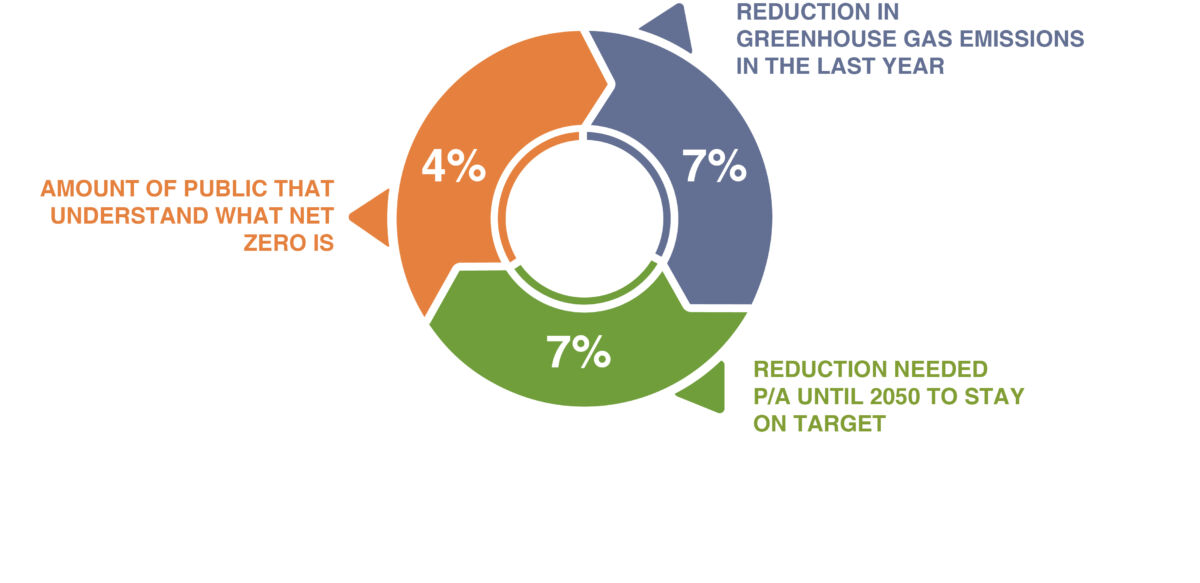
The scale of the challenge we face in realising a green transition and in staying within the current 1.5 degree global warming target was exemplified by the fact that, despite the massive shutdowns brought about by Covid, we have only seen a 7% reduction in greenhouse gas emissions in the last year; the very same 7% reduction we will need to see each year until 2050 to stay on target.
Despite this, the last 12 months has also highlighted what we can achieve when we work together towards a common goal and how science and innovation can contribute. This builds on some notable achievements of the last few decades, not least that more than 50% of the UK’s energy supply is now zero carbon, in large part due to off-shore wind.
The value of a green transition has been modelled by some clever economists. The upshot of several presentations was that green recovery policies, including significant fiscal stimulus into renewable energy, energy efficiency and nature-based solutions would be at least as effective in boosting GDP and jobs growth as a ‘business as usual’ approach, while simultaneously curbing environmental degradation.
To achieve a global energy transition, the industries that are likely to see the greatest net increase in jobs are manufacturing, electricity generation and construction, together accounting for 85% of the net increase, with a corresponding decrease in relatively few industries, such as mining[1]. Given that these sectors (manufacturing, electricity generation and construction) are those most synonymous with in-work poverty and lower education levels, there is a need for enhanced social protection systems, particularly in low- and middle-income countries due to the informal nature of many of these industries.
Changing behaviours
Education and messaging are critical, with just 4% of the public understanding what net zero is, though age is a factor, with climate change polling as the most important issue for young people.
 Fundamentally, nothing is possible without an integrated approach to changing human behaviour. The time is over for working in silos, with linkages across disciplines, using recognised frameworks such as the UN Sustainable Development Goals, to define common principles. Climate science should be embedded in all educational subjects, while the interconnectedness of climate change and social justice cannot be ignored – a green transition should also be a just transition, based around a new social contract globally that recognises the need for a base level of workers’ rights and universal social protection. Otherwise the cross-cutting behavioural change required will not happen.
Act local
The need to recognise that age-old environmental adage – think global, act local – was cited, considering how local areas can realise change through localised energy planning, smart living and regional supply chains. Several innovative place-based approaches were discussed, including Exeter and Manchester.
Exeter City Futures, a community interest company, is leading ‘a green restart’ in the city, through boosting active travel through the planning of miles of new cycle routes across the city. This was the subject of an extensive, participative process involving a 7-day round table event, digital engagement through online mapping, and other media. This process informed quick wins and longer-term transport measures, and was followed by further roundtables and community-led projects.
Drawing on academic expertise to inform the city’s approach, Manchester is looking to tackle consumption-based emissions, which are often overlooked in cities with import-based economies heavily reliant on services, such as Manchester. The key ‘hotspots’ the city is aiming to tackle include waste and wastewater, construction, food and drink, other manufactured goods and transport. Their approach involves building an evidence base; developing targeted interventions for each hotspot, comprising both ‘low-hanging fruit’ and more ambitious objectives; highlighting key problem areas (such as ending single-use plastic or reducing meat consumption); cultivating city-wide engagement through a mission-oriented approach to catalyse action and embedding the mission into a SMART agenda for change.
The role of business
Translating this into green jobs will be key, at the apex of which is the need to innovate, with John Kerry’s quote that 50% of the net zero target being dependent on technologies that have not yet been invented, being recited.
The role of SMEs was flagged, representing 99% of UK businesses. The role of UK Government was recognised, through Innovate UK, which needs to operate more like a venture capital organisation nurturing skills and businesses, while the Catapult Network will also be key and needs a budget commensurate with this role. Other levers include grants for SMEs, creating a collaborative environment (for example in Hull, Aura/ University of Hull has engaged some 300 SMEs to build stronger supply chain in the off-shore wind sector), enhanced tax credits for green R&D (a figure of 25% – versus 11% for regular R&D – was cited), greater capacity for Local Enterprise Partnerships to provide support and a more pro-active and central role for institutions, such as universities and local authorities.
Ultimately, the scale of the challenge requires the scale of ambition last seen when the UK created the NHS.
2. Nature-based solutions
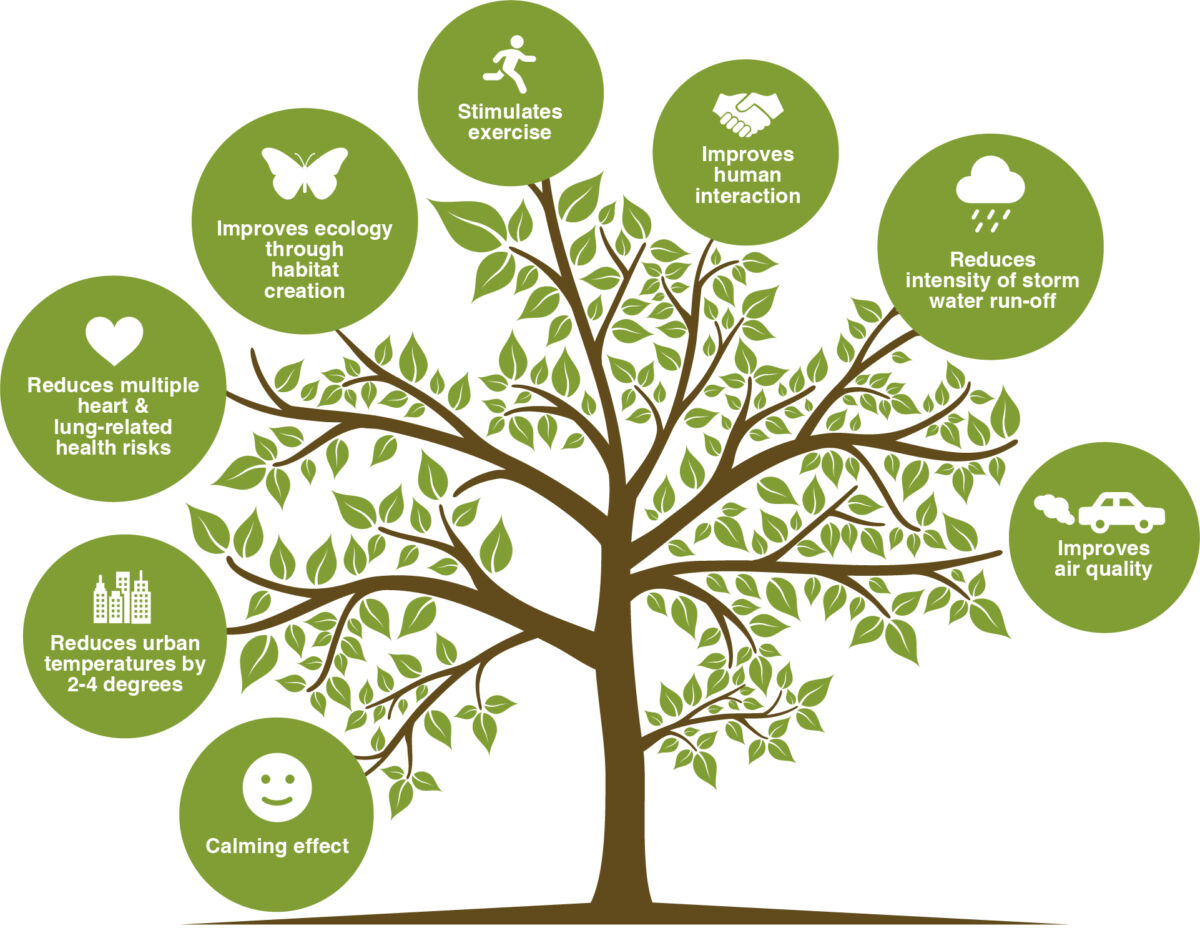
Nature-based solutions (NbS) refers to actions to protect, sustainably manage and restore natural and modified ecosystems in ways that address societal challenges to the benefit of both people and biodiversity (International Union for Conservation of Nature). These include the restoration of flood plains and water meadows, sustainable farming practices, tree planting, creation of green space in urban areas, improving natural coastal flood defences such as mangrove forests, and many others.
NbS has significant potential to help address the climate challenges we face, capable of offering 10 gigatons of CO2 savings per annum if maximised (around a third of the total emitted in 2019 – source: iea.org) , while reducing heating by 0.3 of a degree. But it needs to be considered in combination with other climate change mitigation strategies.
Generally a fairly low-risk/ cost intervention, it can reduce exposure to extreme events, support alternative sources of income, increase resilience and avert the need to spend billions on damages. In so doing, NbS can also play a significant role in boosting biodiversity.
To be successful, however, solutions need to be place-based and locally-led, but following common principles for the protection and restoration of landscapes. They need to respect local rights, livelihoods and knowledge and fundamentally be of benefit to the community in which they reside, including economically, to be sustainable in the longer term. This requires rapid and widespread adoption of circular economy principles, and transformative change in business models, lifestyles and other societal norms. It also offers the potential to create flourishing societies and businesses.
Some of the case studies discussed included the introduction of beavers, renowned natural flood managers, into flood-prone areas; incentivising tree planting which can be sold as carbon credits on the international market; and regenerative agriculture, such as preventing the use of the plough in the Global South.
3. Climate change mitigation (energy and carbon)
Fundamental systemic change is required to limit global warming to 1.5 degrees, with annual investment in low carbon and energy efficiency measures needing to increase five-fold by 2050, resulting in renewables supplying 70-85% of electricity and coal next to zero by that point. Importantly for us, deep emissions cuts would be required in transport and buildings and changes to the land use/ urban planning systems are also fundamental (Jim Skea – Imperial College London). CO2 removal would then also be required through the adoption of nature-based solutions.
It is notable how, up until now, public sector investment has sought to decarbonise the energy sector, while private sector investment has generally sought to reinforce the status quo. The role played by the public sector, through incentivising green investment, has driven innovation and the scaling up of new technologies, which has in turn brought down the cost of renewables over time.
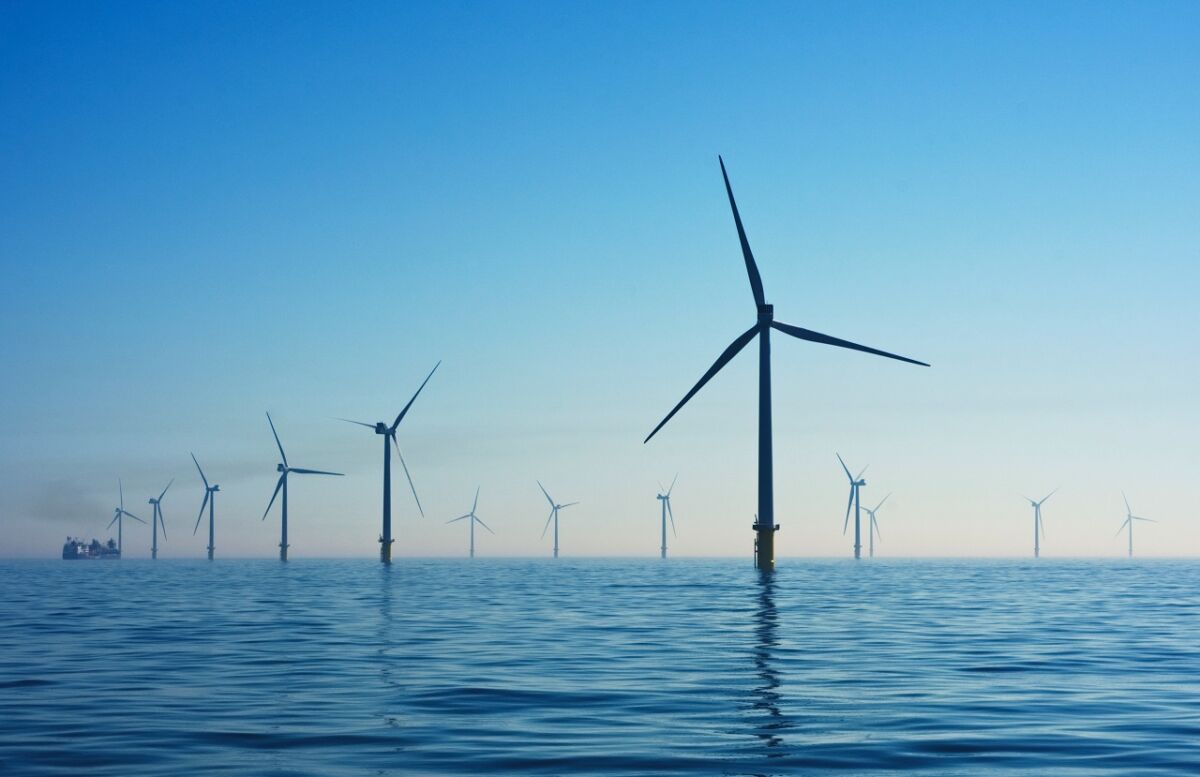
The example of offshore wind was cited, where UK targets have consistently been revised upwards over the last few years, from c. 20GW in 2015, to double that (40 GW) in 2020 (Hana Chambers – UK Government, Cabinet Office), buoyed by ‘market-creating policy’, which is attributed to 80% of the overall cost reduction.
Technological success stories, such as solar power, have generally been smaller in scale, replicable, and modular, requiring less up-front capital and meeting less public resistance. Combined with cross-cutting innovation in general purpose technologies, such as ‘smart infrastructure’, the impact has been magnified.
However, it was generally agreed that energy is ‘the easy bit’, with the greater challenge lying in reducing demand and land-based mitigation. This requires a mindset shift from the ‘consume better’ approach, which is based on incremental changes in consumption and demand substitution; to the ‘consume less’ approach, based on correcting systemic inequity and ‘de-growth’ (Joyashree Roy – Asian Institute of Technology & IPCC WG3) i.e. a reduction on overall energy and resource use over time.
Policy is seen as being fundamental to driving the systemic change required, based on ‘whole of society/ economy’ approaches. This needs to start with targets and combine with policies to reach those targets, which if aligned with funding can create a new market based around decarbonisation and a ‘just transition’. This needs to happen globally, in both developed and developing countries, with 140 countries now having an energy policy – a good start. Moving forwards, policy solutions need to be driven by collaboration between countries and tailored to the local context.
4. Climate adaptation and resilience
Climate change presents significant risks to people and planet. These include flooding, rising temperatures, damage to coastal environments, shifting patterns of infectious diseases and loss of food security. Adaptation concerns how we enhance our resilience to our evolving climate, through such measures as planting more trees or re-wilding urban areas to reduce overheating and improve the air quality, turning agricultural land over to natural habitat to reduce the severity of flooding, or building design to respond to a warmer climate.
This requires systemic, long-term thinking. Unfortunately, funding is often poorly aligned with such long-term goals, with political agendas governed by 5-year political cycles, which does not lend itself to the long-term perspective required to address these issues.
Scale is also fundamental, with the need to consider things on a global level – both in the Global North and Global South and acknowledge the differences between them. Inequality is a critical dimension, which needs to be addressed if we are to be successful – the Least Developed Countries (including c.60% of African countries) are likely to barely reach OECD income levels by the end of the 21st century and collaboration is therefore critical in sharing knowledge, expertise and resources.
Sharing of information and data, using shared geo-spatial platforms to understand the inter-connectedness of the issues at different spatial scales, will be critical. In making this data available at the local level, people will be able to better understand the issues they face and make informed decisions.
Fundamentally, localised, contextually sensitive thinking will be essential to ensure issues are considered in a holistic way. Securing local approval and ownership is fundamental to galvanising action and realising deliverable solutions anywhere, especially in the Global South. Recognising the importance of cultural heritage is an important aspect to this, as it reflects people’s identity and sense of self. Sustainable solutions need to consider what is central to people’s way of life – such as daily rituals, cuisine, land tenure etc. as well as the more familiar buildings, monuments and landscapes – and how this can be built into longer-term adaptation approaches. In turn, this needs to inform higher level thinking in bringing a diversity of perspectives to the table.
Action-research and co-design methods are a key tool in developing effective long-term solutions. An example of such a project undertaken in Eswatini (Swaziland) to promote better land value management practices was given (Lindsay Stringer – University of York). This adopted sensitive practices to the dissemination of research findings to the local community – including a local celebration, food, singing and dancing. The learning then informed national policy, ensuring future top-down solutions are informed by learning on the ground.
The value of social sciences was cited as being critical to this form of research, to ensure its cultural relevance and effectiveness.
5. Finance and regulation
Fundamentally, financial markets need to be aligned with the global agenda on climate change if we are to see meaningful progress. So long as financial institutions continue to fund fossil fuel extraction and carbon intense activities, the harder it will become to achieve what is already a challenging target.
The Expo considered this from several angles, including the assessment of risk and the deployment of financial instruments to prioritise green investment.
Financial stability – the core mandate of central banks – is critical to global financial resilience overall. There is a need to align risk across the financial sector to ensure these relate to climate change goals and objectives. Risk assessment and climate stress testing is fundamental to ensuring financial stability.
Risk-wise, climate change has similarities with Covid, although it could pose an even greater threat. It is inherently global, with the potential to impact on various jurisdictions simultaneously, its severity and frequency reflect worldwide trends in global warming, while transitions in one area can affect others. Small differences in location can have radical impacts on vulnerability, while there may be greater risks in certain sectors, resulting in some banks or governments (for example in emerging markets) being disproportionately exposed. In the case of the latter, emerging economies are particularly at risk from a greater exposure to higher carbon investments and assets, combined with increased exposure to climate risks (such as flooding) that are only accelerating.
One of the key tools in tackling these risks are financial instruments, such as green bonds, which raise funds for new and existing projects which deliver environmental benefits. Others include Environmental and Social Governance Strategies (ESGs), whereby institutions screen out investment in fossil fuels and other areas that do not align to global climate and other sustainable development goals.
These sorts of instruments are being increasingly used to fund projects globally, including in the developing world, where they are often used to fund renewable energy projects.
Key take-aways
So, a lot to absorb. Overall, ten key take-aways from the Expo, which need to inform the COP 26 agenda, are as follows:
- The scale of the issue. We will need to see an annual reduction in greenhouse gas emissions of 7% per annum up to 2050 to stay on target.
- Being up for the challenge. Last year has shown what societies can do when faced with a global challenge, while the recent progress in the renewable energy sector shows how the right incentives can drive change. The spirit of coordinated action and knowledge-sharing – without the squabbling – needs to be front and centre at COP26.
- A green recovery. The same kind of economic benefits can accrue, with significantly reduced environmental impacts, if the right kind of fiscal stimulus packages are put in place. Financial institutions and governments need to prioritise green investments in their Covid recovery packages.
- The public sector can drive innovation. With public funding incentivising green approaches having the potential to drive innovation and the scaling up of new technologies. This is critical, as 50% of the net zero target being dependent on technologies that have not yet been invented. The UK Government and their equivalents need to scale up the Catapult Network, tax credits for green R&D and give a stronger role for Local Enterprise Partnerships and local institutions, such as universities and local authorities in driving this forward.
- Picking winners. Technological success stories, such as a solar power, have generally been smaller in scale, replicable, and modular, requiring less up-front capital and meeting less public resistance. There are many innovators in this field in both the Global North and South, often from SMEs and the third sector – these need stronger support from governments.
- A ‘green’ transition should be ‘just’ transition. The industries likely to see the greatest increases in jobs are manufacturing, energy generation and construction, which are those most synonymous with in-work poverty and lower education levels. To avoid exploitation and bring about cross-cutting behaviour change, there needs to be a recognition that a base level of workers’ rights and universal social protection at the global level is required. A ‘template’ policy/ legislative approach for minimum human rights and social protection systems should be agreed at COP26.
- Place-based approaches are key. An approach that builds on local leadership and is contextually sensitive stand a much greater chance of success, as it will deliver more holistic solutions that move beyond silos and work with local cultures. Action research and co-design-based methods are particularly powerful tools in building consensus, ownership and learning. COP26 should provide the forum for sharing good examples and agreeing a new model for how profit and non-profit sectors work together on international development and climate change projects.
- Working with nature. Nature-based Solutions offer a mix of climate mitigation, adaptation, ecological and quality of life benefits at a relatively low cost. Strong policies from national to local level are required to ensure they become a key plank of all climate change strategies.
- Progressive private investment is fundamental. Innovative financial instruments, such as green bonds, have significant potential to provide the capital to deliver game-changing projects. Financial institutions and governments need to work together to make them the norm, unlocking the trillions needed to arrest climate change.
- Systemic change is required. Based on long-term thinking and a mindset shift from the ‘consume better’ approach, which is based on incremental changes in consumption and demand substitution; to the ‘consume less’ approach, based on correcting systemic inequity and ‘de-growth’. This needs to become part of the mission of every department of every organisation – starting with governments at COP26.
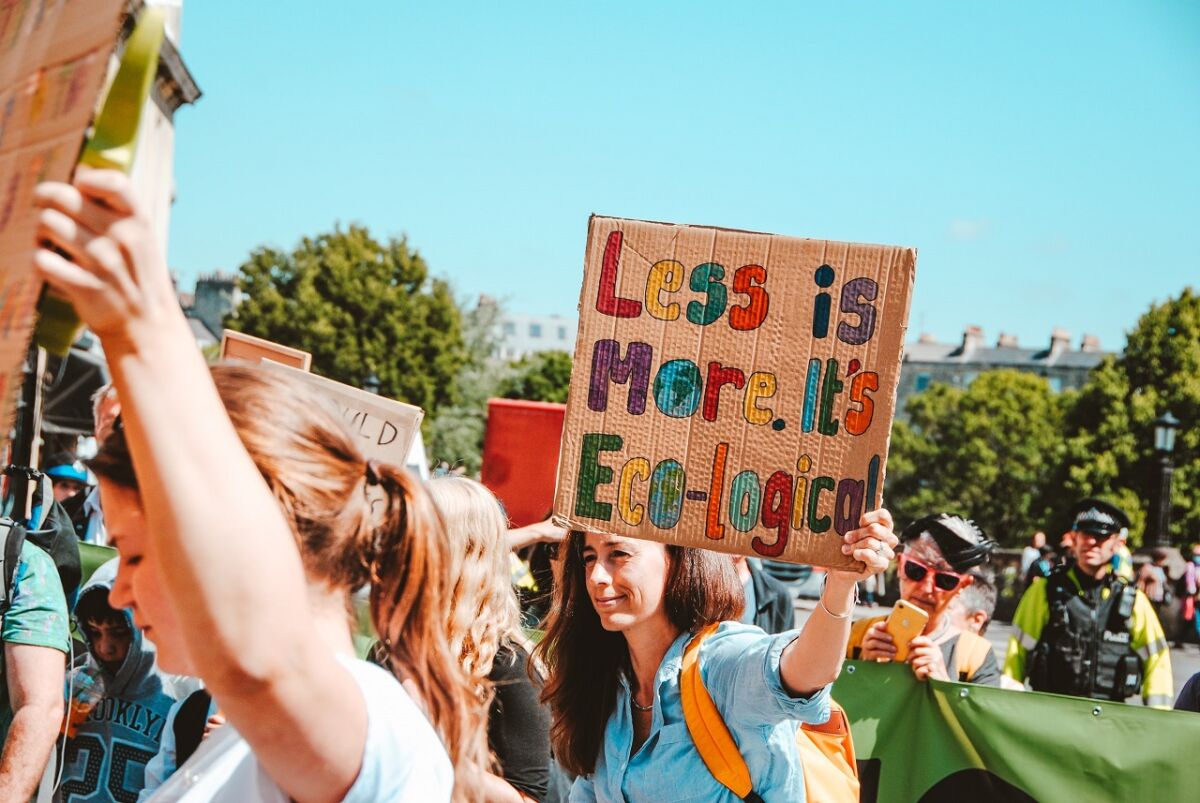
From our perspective, there is much to reflect on. But fundamentally, this emphasises the need to place climate change mitigation and adaptation at the heart of our work. Adopting the UN SDGs as a framework for change helps us to do so, while considering other key issues such as reducing inequality and enhancing wellbeing.
Moving forward, we will need to work harder on the integration of nature-based solutions; innovative and low-carbon technical solutions; considering carbon through the project lifecycle from first principles; and working with local leaders to bring about the sustainable, long-term regeneration of deprived and failing urban areas, adopting participatory and empowering approaches in the process. We also need to be alive to innovative delivery models, tapping into innovative financing mechanisms such as green bonds, to unlock green investment.
[1] German Development Institute