After many years of delay, it’s great to see construction of the Bedminster Green regeneration project in south Bristol well underway.
Bristol is a successful city and a desirable place to live, but one which also faces significant issues, including unmet housing need and constrained land supply. The city therefore needs to make best use of its brownfield land and has embraced the concept of mixed-use urban living, at optimal density.
Bedminster Green is one such opportunity. This area, between Bedminster Rail Station and the town centre at East Street, is an underused, fragmented part of the city. Proposals for development were initiated in 2014 and, over time, the sites within the area were acquired by four developers, with Bristol City Council holding a controlling interest in land at the heart of Bedminster Green.
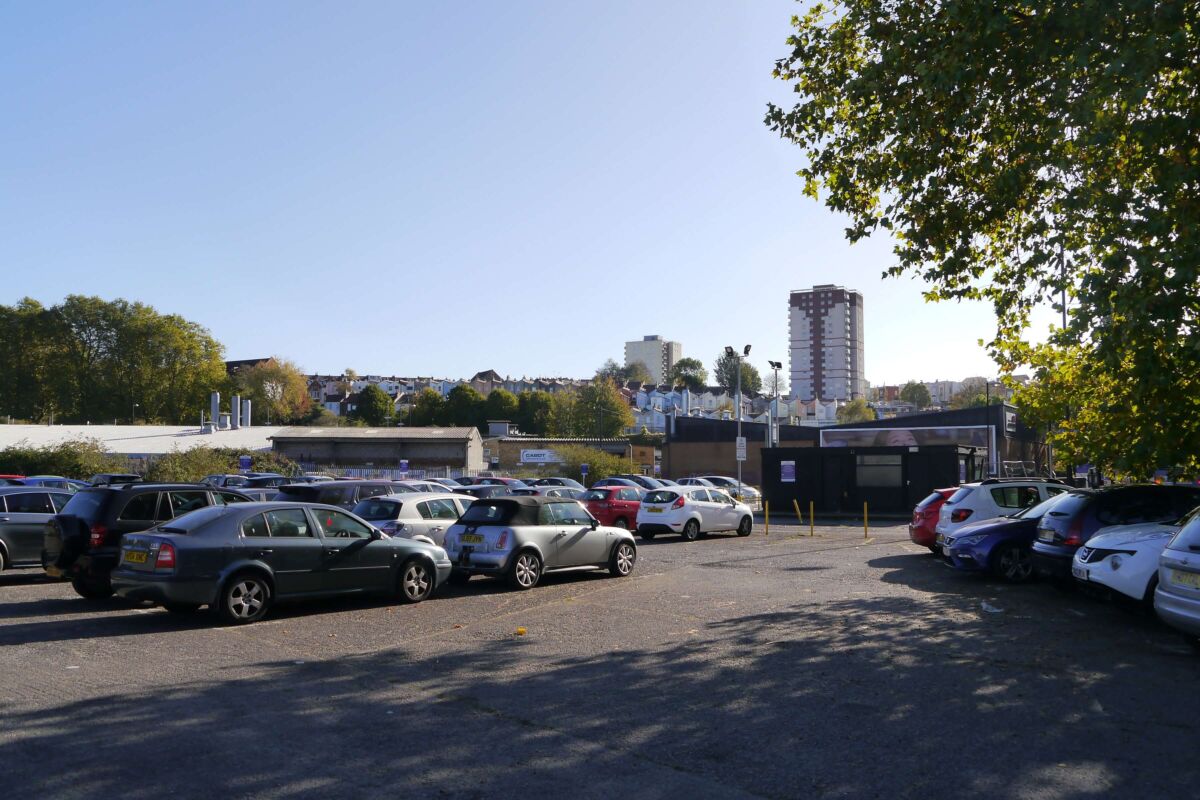
Five years ago, the four developers were working up proposals for major development, but progress was slow and the projects became mired in delay. This delay centred primarily around issues of scale and height, together with the need for an integrating weave of public realm and other common infrastructure necessary to create a high-quality new part of the city. Clearly, an overarching framework was required.
This was recognised by both Bristol City Council and the landowners/developers and in June 2018 Nash Partnership started preparation of a placemaking framework. The timing was far from ideal, several years into the project, but it did also bring benefits, particularly in enabling a real-time understanding of the commercial challenges of delivery.
The process of producing the framework was a collaborative one from start to finish, working with the four developers and with Bristol City Council on a cross-service basis, briefing and engagement of councillors, engagement with stakeholder organisations, and public consultation over a period of four weeks. The framework puts forward a vision, a set of placemaking principles and design parameters to help shape and integrate individual site-based development proposals, as they come forward through the planning and design process, to create a high quality new urban quarter.
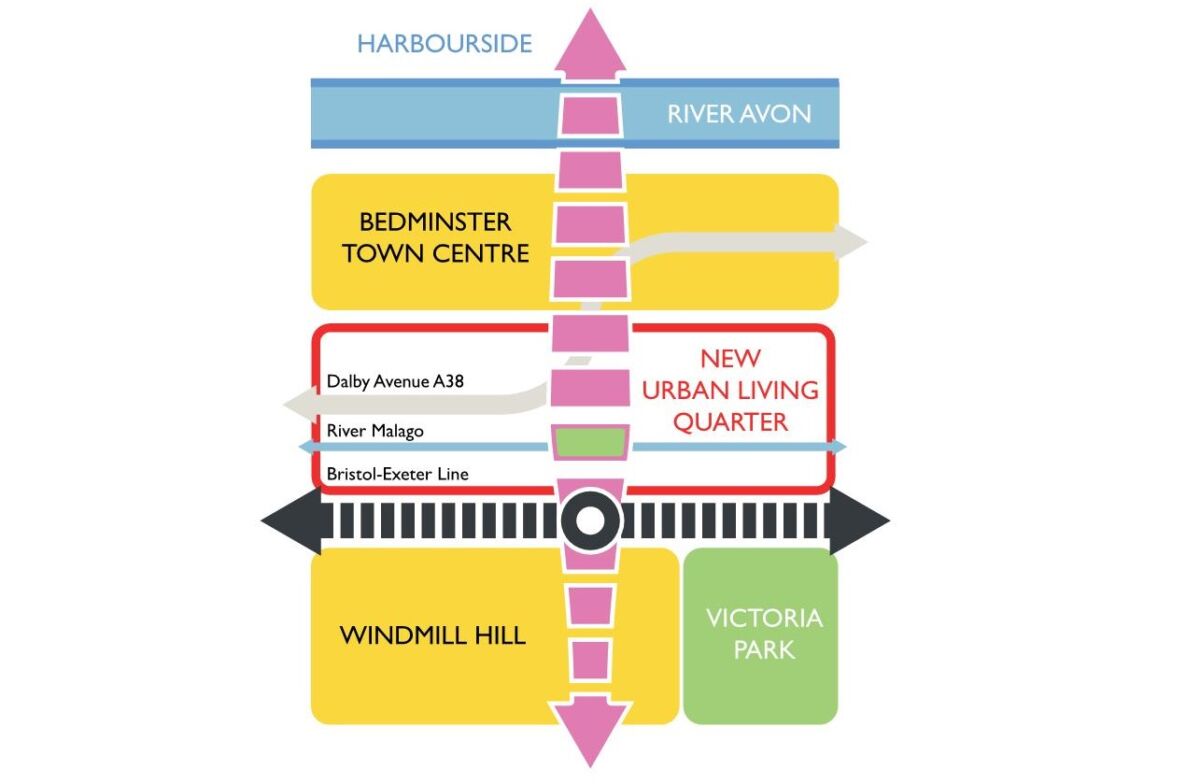
The placemaking framework was completed in less than 12 months and in March 2019 it was considered and agreed by Bristol City Council’s Cabinet as a material planning consideration. It also provided the basis for agreement to investment of £6m of CIL funding and application of flexibilities on affordable housing provision to support delivery.
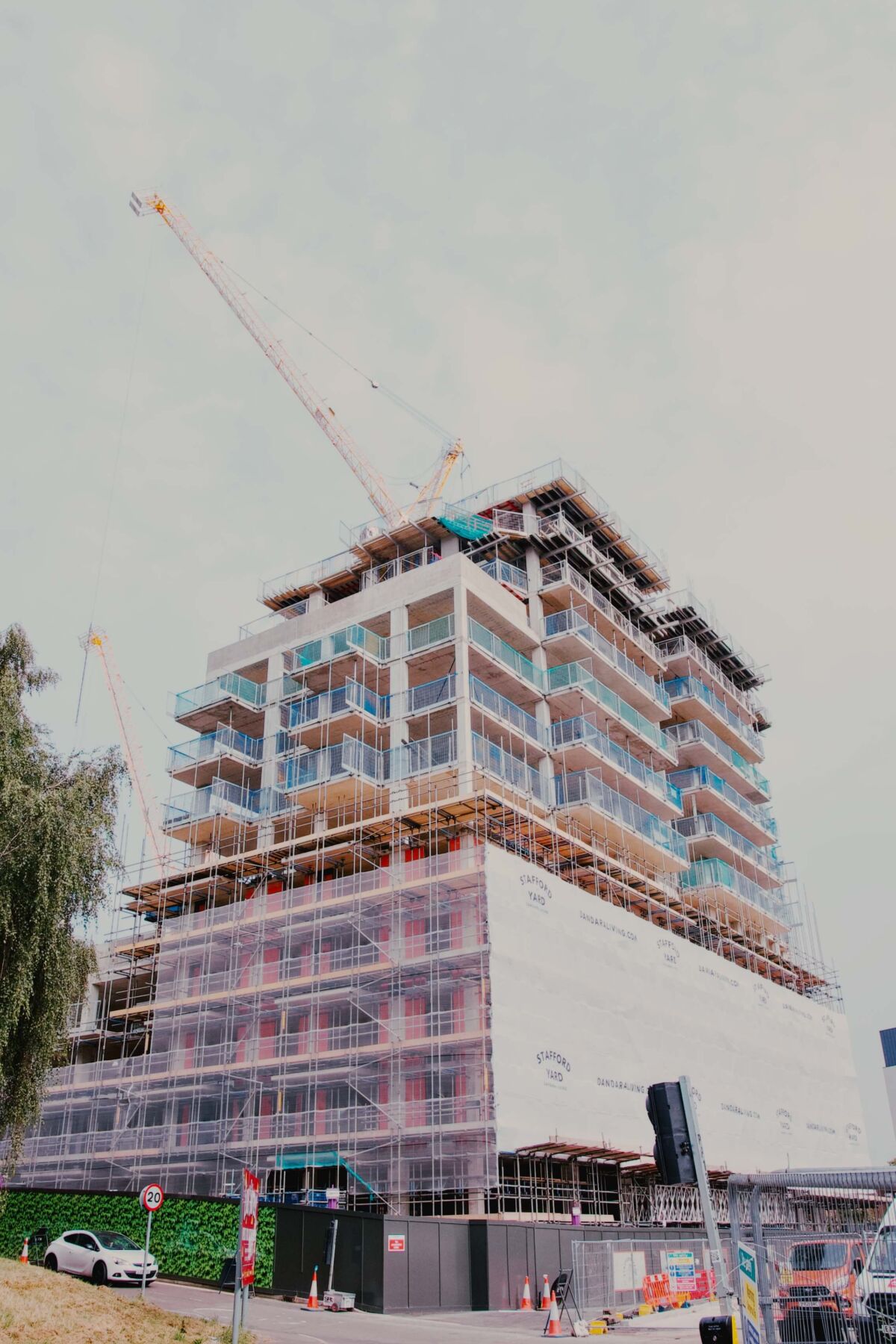
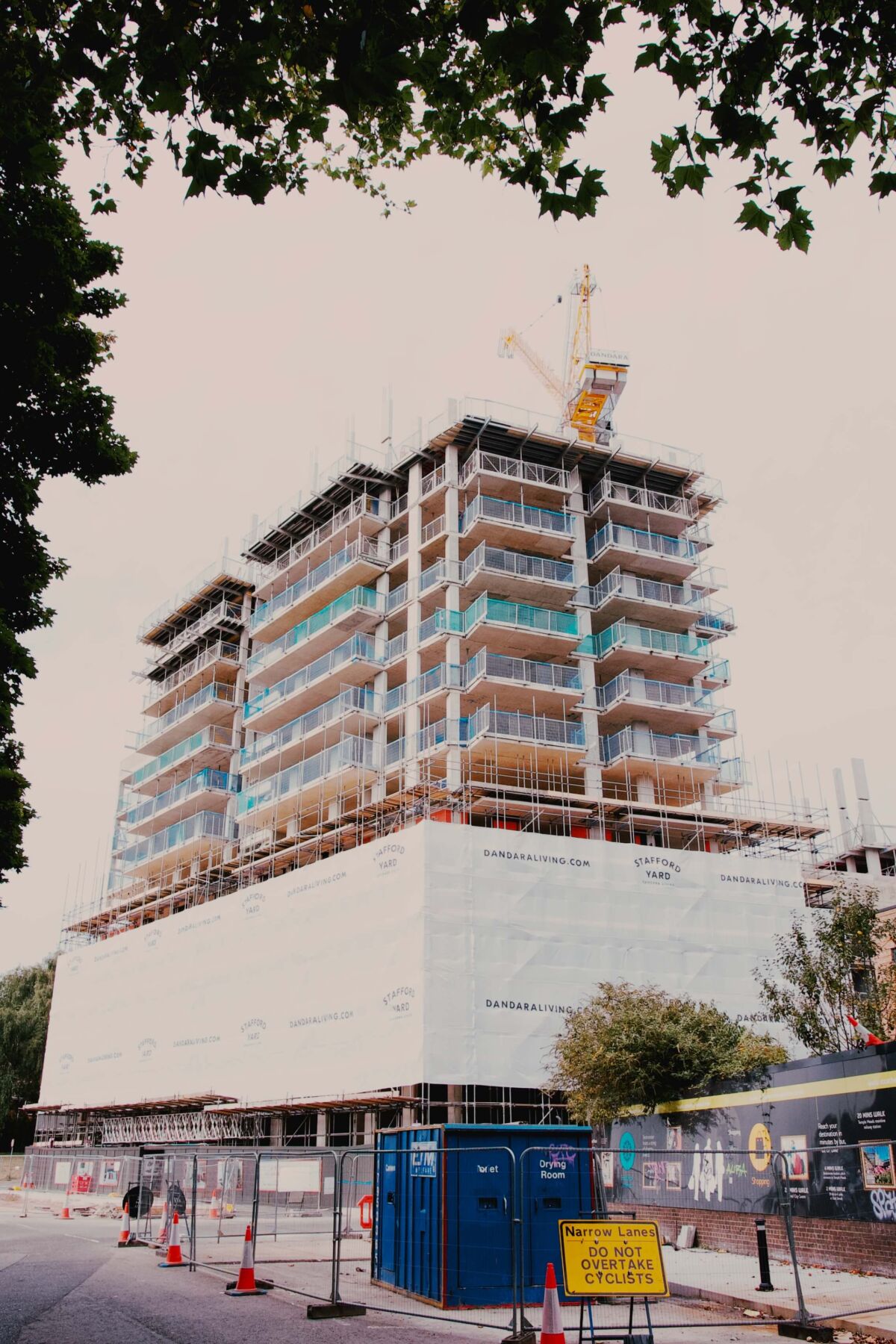
The framework has both helped Bristol City Council resist development proposals that failed to align with its principles and parameters and has supported the granting of planning permission for the development schemes now underway.
A key lesson is one that is perhaps obvious, but unfortunately all too often not heeded. That is the value of a positive planning framework and an urban design-led approach that starts with the concept of creating a place rather than developing individual sites. The developers at Bedminster Green and Bristol City Council all contributed towards this approach in a collaborative way. Whilst often perceived as unnecessary work and delay, done well, this approach invariably saves time and money in the long run.
Other key lessons were that such an approach is best adopted at an early stage, including engagement of stakeholders, and that dialogue with the development sector is important to ensure deliverability, because a framework or masterplan is of little use if it does not help good quality development to happen.
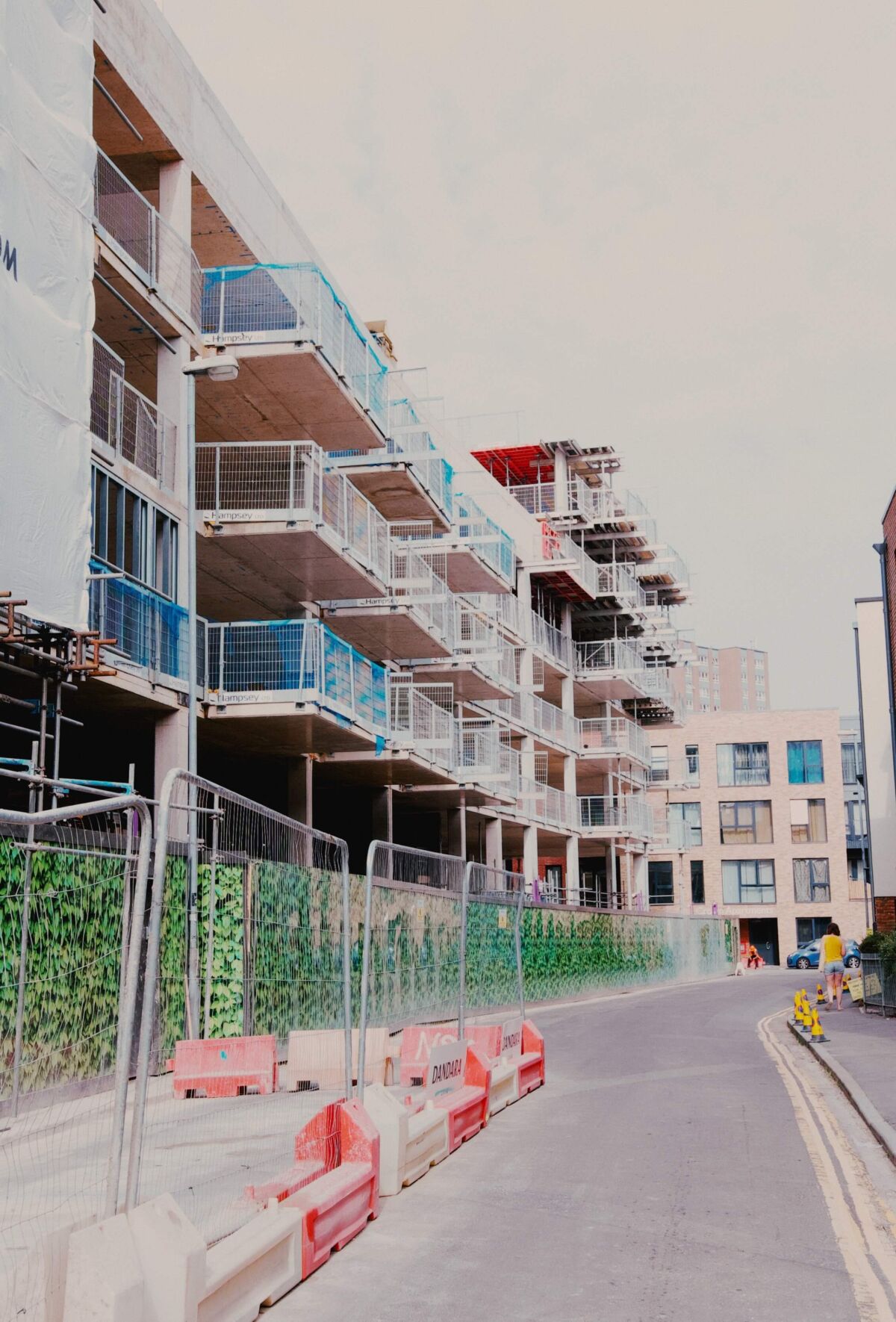
A further point is that, in areas where land values are lower but construction costs are not, if we are to be able to create urban development that fully achieves the qualities of liveability and sustainability that are needed, funding support is going to be required. At Bedminster Green the Council’s decision on investment of CIL monies is an important one, but delivery and fully realising the ambitions of the framework remains challenging. Ultimately, this links to priorities at national level and the mechanisms for local funding, including a planning system that is resourced to lead and facilitate placemaking development.
At Bedminster Green, the Placemaking Framework has played an important role, helping to bring clarity and move regeneration forward to delivery on the ground. The developments will create a new mixed-use quarter for Bristol, supporting the town centre at East Street and creating a high-quality public realm, with enhanced provision for walking, cycling and public transport, together with restoration of the, now largely hidden, River Malago.
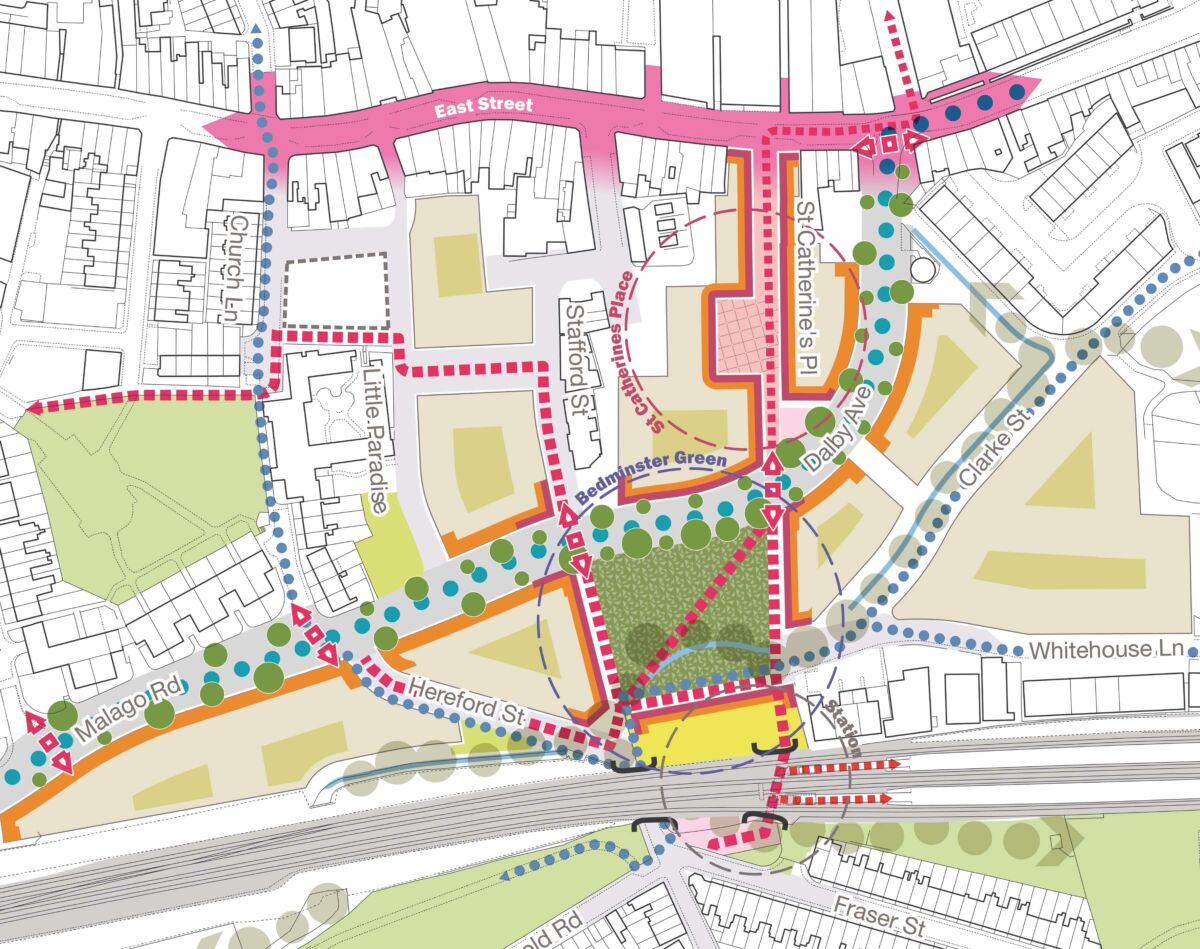
In addition to the sites that are well advanced in construction, proposals for land right at the heart of Bedminster Green, which is owned by Bristol City Council, are in the planning system and will hopefully reach a positive resolution soon, to enable delivery of the core development incorporating an enhanced central public space and the newly revealed River Malago.